
Home
Katoliku Hoov (Adj.)
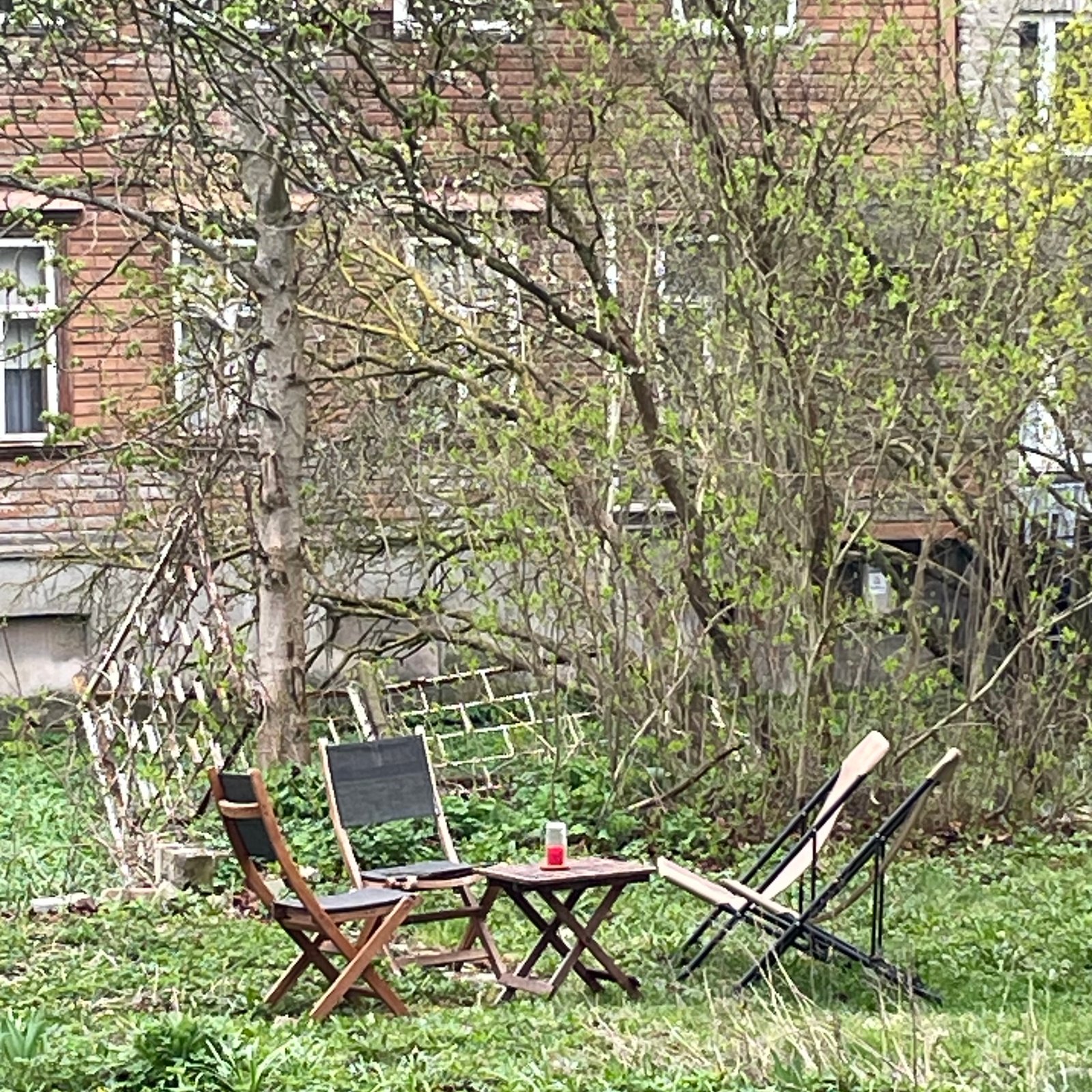
Catholic courtyard. It belong(s/ed?) to the Tallinna Dominiiklaste, Tallinn Dominicans (see Dominiiklaste), the tacky insignia of which, a dog, is a rather poor piece of Latin punning: the Dominicans, or Dominicanes as they like to be called, are a Catholic order founded in 1215 by St Dominic. Being defenders of the faith, they call themselves Domini Canes, dogs of the lord. Ho ho. That’s dog-Latin for you... See Risti.
Toompea tänav (Toompea)
‘On the cathedral’ (see previous entry). Street originally called Die Dom-Brücke (cathedral bridge, 1865) after the wooden bridge over the then moat between Toompea vallivärav (Toompea gate) and Suvorovi A. (now Kaarli), a project driven among others by alderman Falck (Falgi). Since the bridge was long, the road was named Die Langebrücke in 1876, but since it was no longer there, it was dumped in favor of Der alte Domweg (old cathedral way) in 1879, etc., until 1890’s Большой Вышгородскій спускъ (Bol'shoy Vyshgorodskíy spusk), or 'grand upper-city descent') then downhill all the way with trilingual Karlstraße variants in 1907, a less-than-year-long stint as Nõukogude (Soviet) in 1941, back to Charles and kin until 1948 when it finally acquired its current name. Pushkin’s great-grandfather, Abram Gannibal, an African of uncertain origin who arrived in Russia as a child of 8 as a ‘gift’ to Peter the Great and rose to become general, lived at No.1, known as Komandandimaja (commander’s house), from 1742-52 while superintendent of Reval, Tallinn’s name from 1200s-1918. See Toompea.
Vana Turg (0)
Old market. One of the oldest parts of Tallinn, the point at which all main roads to/from Narva, Viljandi, Tartu, Pärnu, the islands (Saaremaa & Hiiumaa), Riga, Novgorod and Rome converged. Initially forum inferior (1368) to differentiate it from plain forum, Raekoja plats, then retaining its name of old market throughout the ages: dat olde market (1442), Olde Marketh (?), wanna turro (1732), Alter Markt (1789), Vana Turu (1885) & Alt Markt (1942).
Terase (Teras)
Steel; figuratively, a knife. One of a metals street group. See Tina. Earliest records (1880) give a muddled bundle of German, Russian and Estonian names Tschortowstraße, Чортова / Чертова (Chortova / Chertova) and Tšortovi / Tschortovi, which all seem to indicate “devil’s street”, but was probably a misspelling of the name of an inn that had been there since the 18th C. Either way, street renamed in 1880 as Большая Епинатьевская ул. (Great Epinatiev street) after Russian businessman Алексей Дмитриевич Епинатьев, Alexei Dimitrivitch Epinatiev (1819-1878), founder of Gusli (a couple of hundred meters away as the balalaika sounds [so probably not heavy metal then], see Narva); family made hereditary honorary citizens for services to cultural education in 1872.