Home
Süsta (Süst)
Canoe, kayak, folding-boat. If you keep going due SW, you will end up in the water, if you can climb over the security fences around Bekkeri sadam. (Don’t.)
Sügislase (Sügislane)
Lit. Autumn-dweller, the Autumn silkworm moth, Lemonia dumi, rare in Estonia, although a bit more common on the western coastline. Before the street was built, this was the name the original land-owner wanted. The street-names commission, following guidelines, proposed the historical toponym of Potissepa (potter) after the name of the farm originally on the site: rejected. They then proposed a list of other butterfly names already reserved for the zone: rejected too. So the street-names commission is not always to blame ;o). Part of a lepidopteran group. See also Täpiku.
Sügise (Sügis)
Autumn, fall. Herbststraße in 1942. See also Talve. First known as Söreni (1885) German Sörenstraße (1893) then Sörensenstraße (1913), etc., after a gardener called Sören Thorenfeld who bought land between this street, Paldiski and Suve in 1810 and created a nursery. See also Šnelli tiik.
Süda P.
(Peeter Süda, 1883-1920)
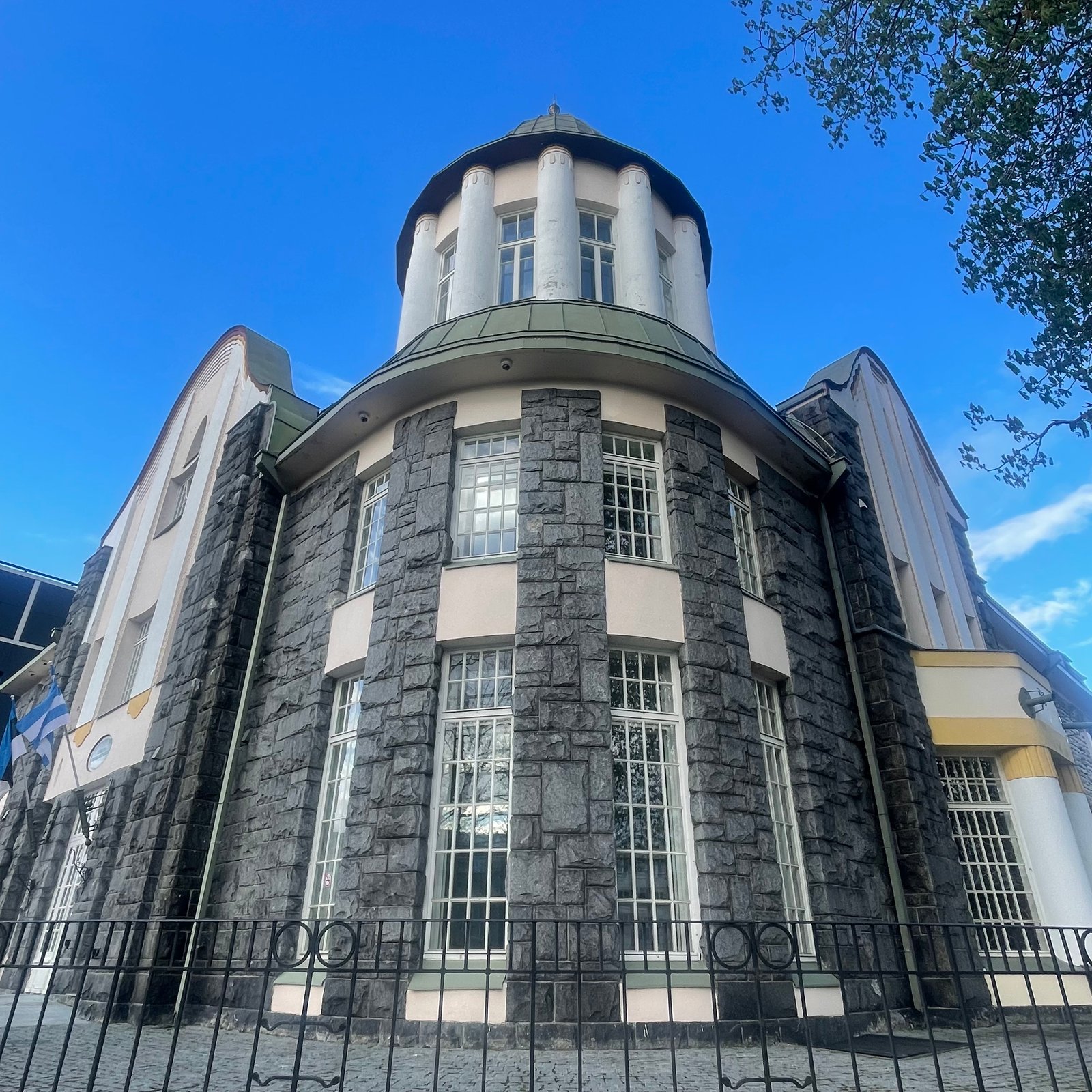
Organist and composer, born on Saaremaa. His library and collection of folksongs are now housed in the Estonian Theatre and Music Museum. NB: whereas süda (heart) declines normally as süda:südame, for the person’s name it is Estonian Theatre and Music Museum. Odd, but why not (see, for example, Lauteri A. and Raudsüdame)? His grandpaternal uncle was called Peter Südda. Odd, why? Why, because it’s part of Estonia’s complex track record in trying to express its rather subtle sound-length variations, this particular example lasted till mid-19th C. Part of the street used to be Ahju.