
Home
Polgu (Polk)
Regiment (see Pusta A.), a relatively muddled term as to its current meaning (grouping of brigades or battalions, or battalion), and equally to eeseestlased (Estonians of yesteryear), spelling it Rügemendi, Rügementi (from the German Regimentsstraße) but also Riigemendi, where the first part, accidental switch of ‘ii’ for ‘ü’ or not, adopts a nationalistic tone (riik:riigi = state or country).
Siini (Siin)
Today, bus or data highway, a communication system for data transfer within or between computers. Yesterday, one of Estonia’s various parings of Ger. Schiene: rail. Until 1922, the road used to run through Nõmme’s Sub-districts of Rahumäe, Nõmme, Hiiu, Kivimäe and Pääsküla. Oddly, in 1922, a new road called Raudtee followed the railway line through exactly the same Sub-districts with no connection between the two in KNAB. I’m just saying...
Kloostrivärav (0)
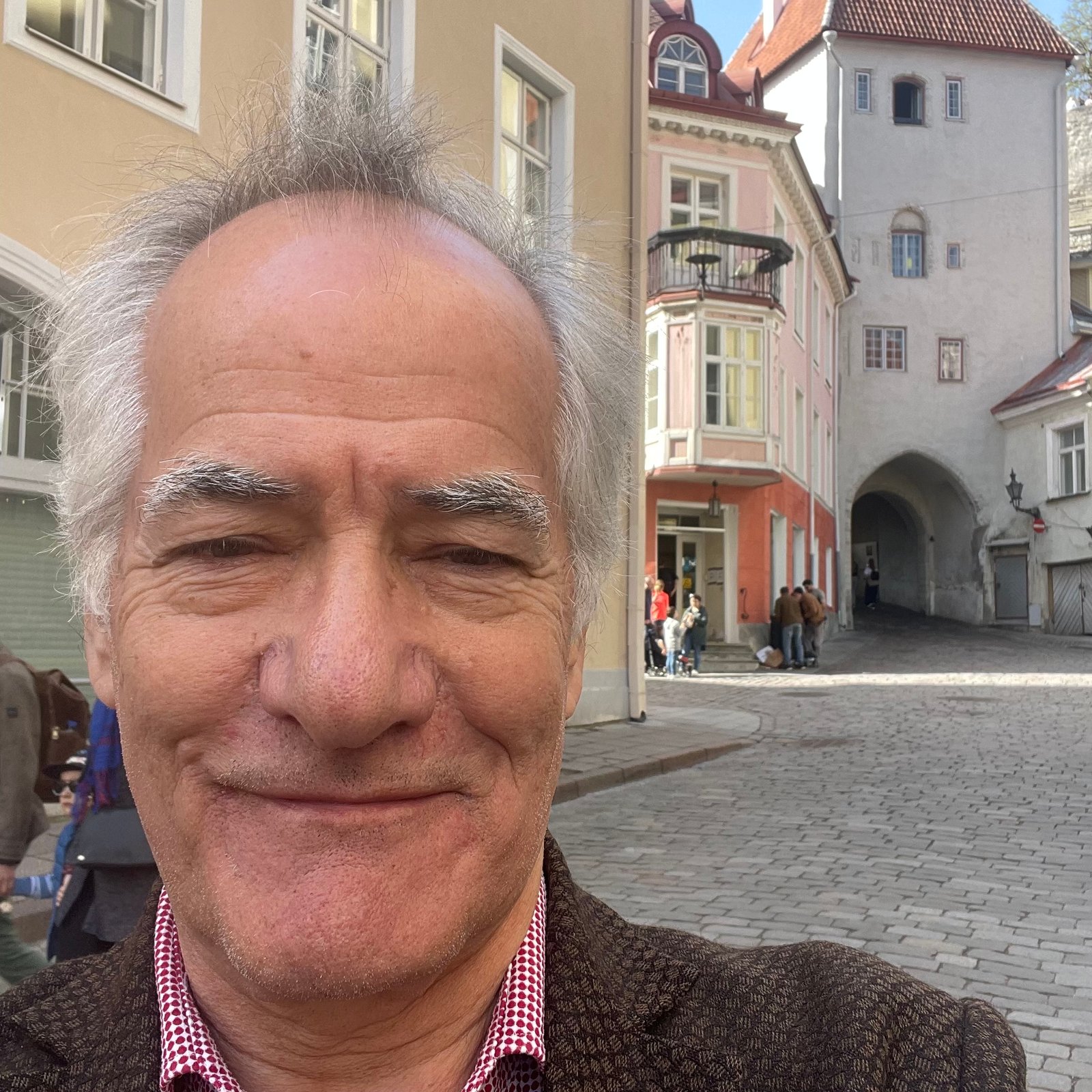
Monastery Gate. At the Junction of Suur-Kloostri and Väike-Kloostri, One of Tallinns many historic gates. Oddly, while much information is available on the towers, threis very little on this... To be continued.