
Home
Karja värav (Kari)
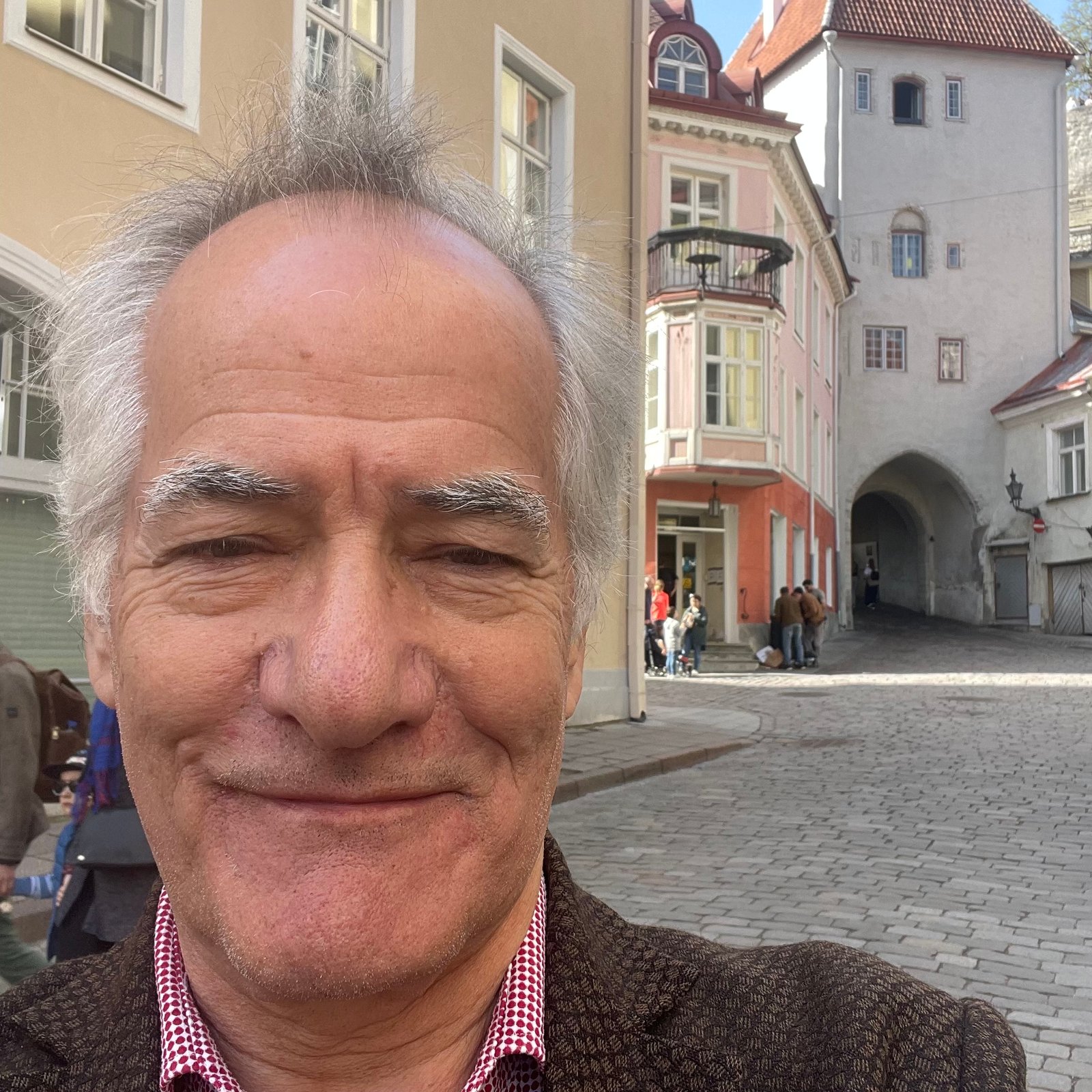
Cattle gate. Various permutations. The original cattle gate was some 50-100 m further south of today's square, Karjavärava plats, and recorded in various languages, first (1365) as porta pecorum (Lat.) or veporte (MLG vē and its multiple spellings – veh, vehe, vey, vie, vei – and meanings: cattle, four-legged animal, live possession or plain old property), meandering through Lat. porta Karien (1368) and karieporta (1375) then Ger. karienporte, karyenporte and karieporte in 1375, 1379 and 1382 respectively, reaching karja wärraw (1732) and Karripforte (1890), with wärraw/pforte ‘gate’ in the sense of passage into a city, like London’s Bishopsgate, and not in the former Nordic sense of ‘way’, ‘street’ (cf. Swedish gata, Danish gade) as in Nottingham’s Fisher or Carter gate, etc. Gate has an odd, two-path etymology. The first from PIE *ǵʰéd-, hole or ‘to defecate’, via Greek, χέζω (shit) to Proto-Germanic *gatą to Old English ġeat (both meaning hole, opening and, in MLG, that or anus, linguistically related to the northern-Germanic Geats whose name seems to derive from a Proto-Germanic verb *geuta-, ‘to pour’, something which passages do allow) and thence to our more modern meanings of passage, and the second, from Proto-Germanic *gatwǭ (which looks clearly related to its cousin above, cf. Lith. gatve < Gothic 𐌲𐌰𐍄𐍅𐍉 (gatwō) through Old Norse gata which seems to be a logical offshoot of an earlier stage of the other meaning which almost by definition implies a path of some sort. Its last name before being shuffled off to history was Михайловскія ворота (Michael’s gate, 1885, etc.).
Karjavärava plats (0)
The 1989 naming of the expanded(?) crossroads between Suur-Karja, Müürivahe and Vana-Posti, some 50-100 m north of the original cattle gate, Karjavärav. Home to Tauno Kangro’s sculpture of the Happy Chimneysweep of 2010. Other historical names include the last vestiges of Russian-language designations prior to the 1991 restoration of independence: Карьявярава площадь (Karyavyarava ploshchad, square) and Михайловская пл (Mikhaylovskaya pl, place) see Karjavärav.
Kilpjala (Kilpjalg)
Bracken, aka brake, aka eagle fern, Pteridium aquilinum. Yet another of those delightful names (lit. shield leg) rejected by a local… And so, instead of this or Raunjala, they went for Käokõrva. This is also one of those TIL moments: bracken is not at all the harsh and brambly growth it sounds like, but the very lovely and leafy fern so common in woodland. Lives in colonies which can achieve ages of 500 years of more.
Kitsekakra (Kitsekakar)
Lit. goat’s camomile. Street no longer exists, but it’s a nice name, leopard’s bane, Doronicum orientale, so it stays; not to be confused with kitsekakar-ristirohi, no English name, Senecio doronicum. And it was in Maardu anyway :o(