
Names
Koge (Koge)
Cog (or cog-built ship), ship dating back to 10th C, usually oak, single mast, square sail, common Hansa trading vessel in the Baltic. By the 12th C, its capacious, high-sided design with true rudder made it capable of transporting up to 500 persons, and be used as either cargo or fighting ship. Street associated with Kaljase both lurking in the docks’ primeval ooze awaiting development. In 2022, a 24.5-m long, 9-m broad cog dating back to around 1350 was unearthed under Lootsi 8, between 2 liquor stores, in what there could be called the primeval booze.
Kohila (Kohila)
Town and manor house (see Mõisa) in Harjumaa. Latter first mentioned 1438 under the German name of Koil, listed in the 1241 Liber Census Daniae as Koil or Koylae. Street running parallel to the railway track at Tallinn-Väike and one of the group of streets named for stations on the Tallinn-Türi Kitsarööpa line. See Hagudi.
Kohtu (Kohus)
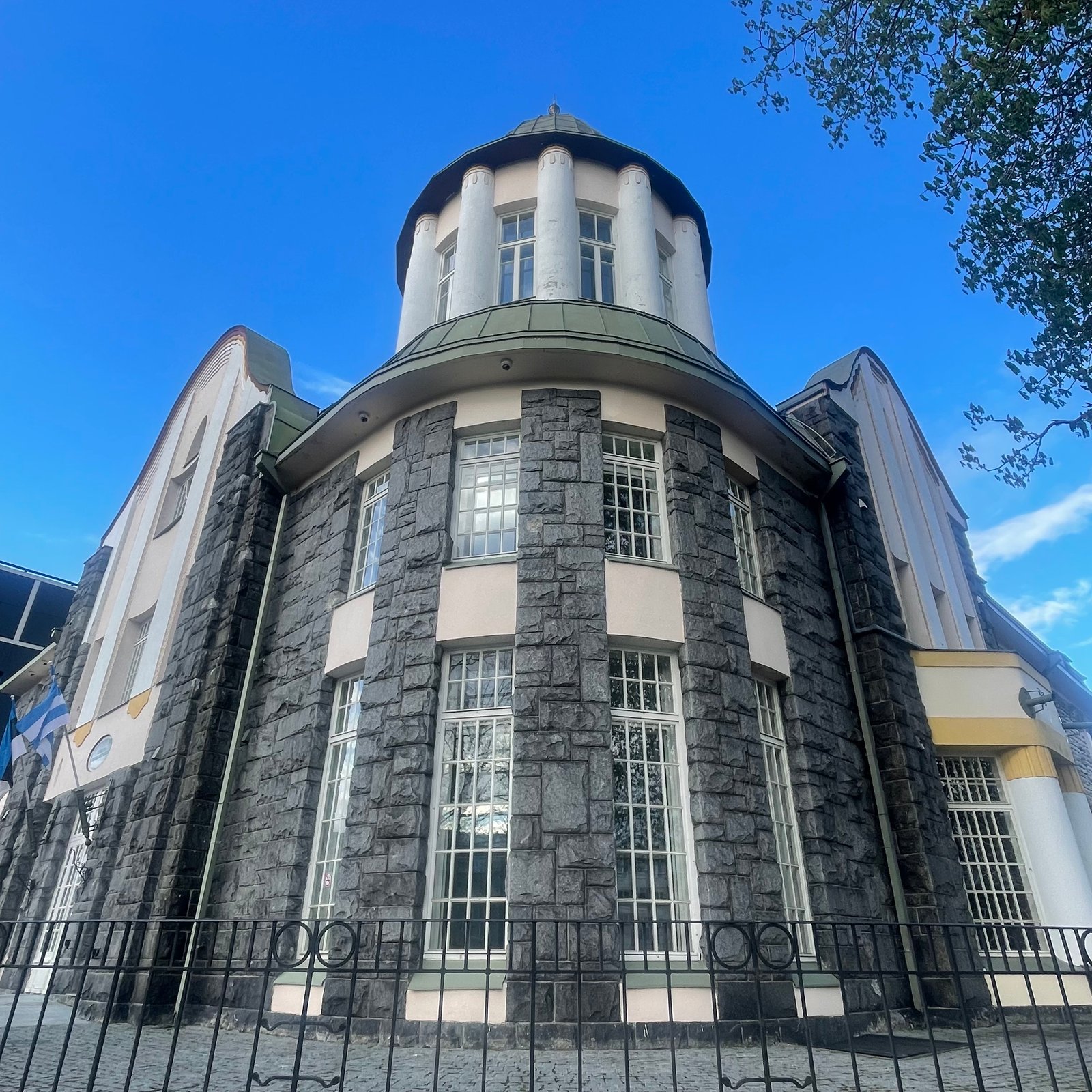
Law court, tribunal. First named Gerichtsstraße (court street) in 1882, after the Eestimaa ülemmaakohus or Supreme Court of Estonia which operated in the former Eestimaa Rüütelkonna maja, or House of Estonian Knighthood. Due, probably, to a nasty squabble with the French and others on the happy highway to Jerusalem during the 1st Crusade, German knights and other second-sons sought other sites for land-grabbing and went north to save the poor, pagan Livonians. The Brothers of the Sword and their later homies occupied Estonia from the 13th C, remaining in power through Danish, Swedish and Russian occupations, elevating themselves to Estonian Knighthood and filling nigh-on all magistratures.
Kohtuotsa (Kohtuots) vaateplats (0)
Lit.: “Viewing platform at the end of Kohtu”. Place-name, not street-name.
Koidiku (Koidik)
Sun-up, dawn, daybreak, cockcrow.
Koidu (Koit)
Dawn, aurora. Part of the dawn and dusk triad. See Ao.