
Names
Graniidi (Graniit)
Granite. After local depot of paving- and other stones imported from Finland.
Grusbeke-tagune torn (0): 
Tower Behind Grusbeke’s, after Ar[e]nd Grusbeken / Gruzebeke, 15th C, said to be a wealthy burgher of Tallinn, recorded, amongst other things, as borrowing 50 marks from Arnd Saffenberch in 1428, using his house near Oleviste as security. Tower referred to as by Gruszeken in 1509, so he presumably lived nearby. See also Hattorpe-tagune torn.
Gümnaasiumi (Gümnaasium)
Secondary school, high school. After the Gustav Adolf Gümnaasium, GAG, in nearby Suur-Kloostri, one of Estonia’s and Europe’s oldest secondary schools, founded by Swedish king Gustav II Adolf as the Reval Gymnasium in 1631. Built on a former catholic monastery.
 Haabersti (?)

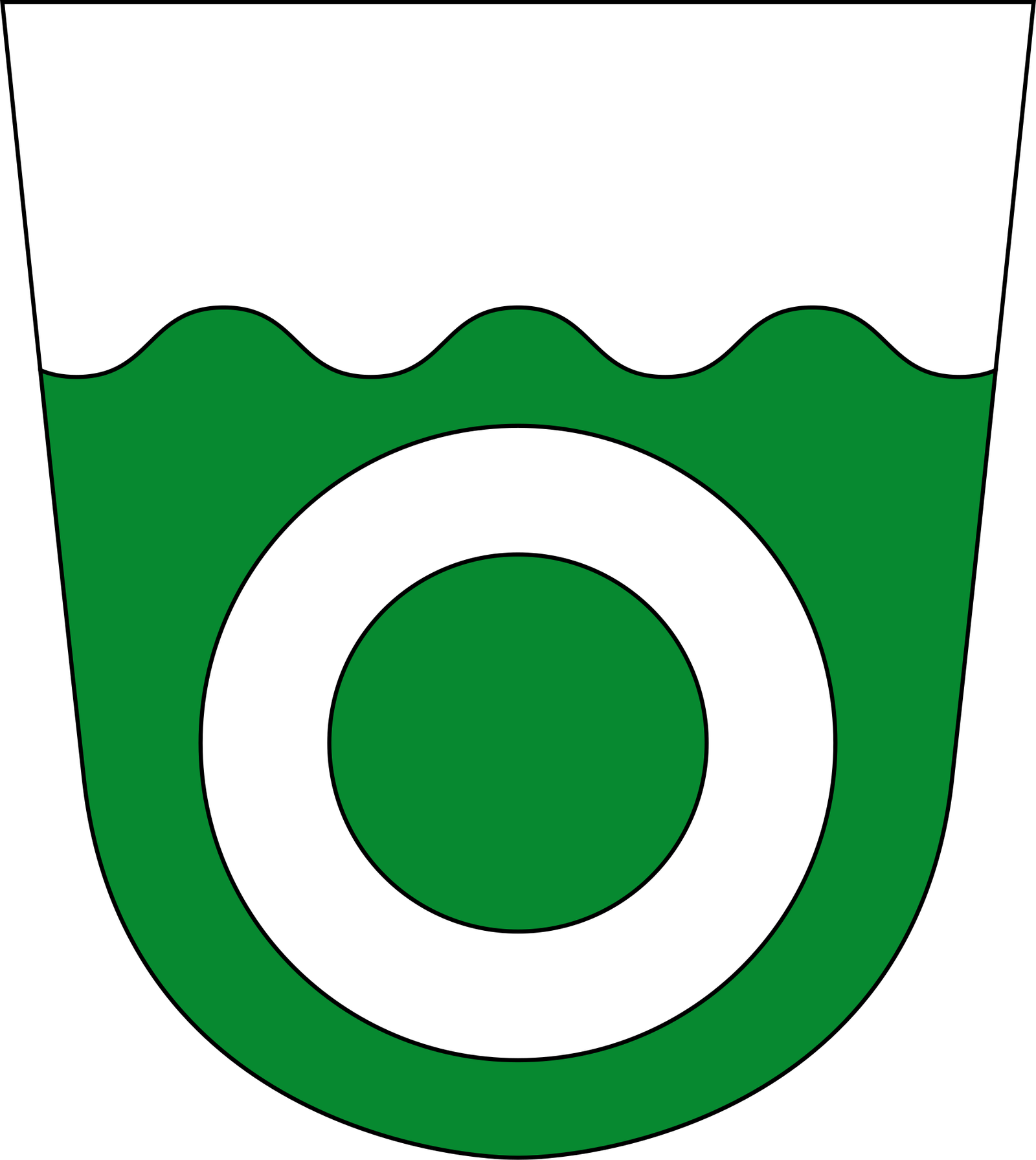
Manor house closish to Tallinn center, roughly on the site of the present-day zoo. First recorded in relation to a Tonnies Haberes / Habers / Habris / Habres from a nearby village Lahepea (qv.) and apparently renamed in German as Habers Hof (Oat Manor) in 1557, assumed to be derived from the German Hafer (oats). But there is no clear evidence that Tonnies’ ‘surname’ reflected a contemporary relationship, professional or romantic, with oats. How many Smiths do you know who earn their living as farriers, etc.? Street previously written Haawersti (1920), Haberscher Weg and Hawersche Straße. It must also rank as one of Tallinn’s more devious addresses: If you live in Haabersti, is it the street, the Sub-district (asum), or the District (linnaosa)? It is also the only occurrence in Tallinn where a street is in, and only in, an identically-named District and Sub-district. The other two contenders, Mustamäe and Pirita, spill onto their respective neighbors. One of Tallinn’s 8 Districts (Linnaosad). It includes the following Asumid (Sub-districts): Astangu, Haabersti, Kakumäe, Mustjõe, Mäeküla, Pikaliiva, Rocca al Mare, Tiskre, Veskimetsa, Vismeistri, Väike-Õismäe and Õismäe.
Haava (Haab)
Two species: harilik haab, common or trembling aspen, Populus tremula – the trembling is due to the flat petioles allowing the slightest breeze to move the leaves, improving exposure to the sun (and perhaps shaking off hungry insects?) – and hõbepappel or hõbehaab, white poplar, Populus alba. Same muddle in both languages as to name, and both seem accepted, haab or pappel, and poplar or aspen. Haava is also the genitive of haav, meaning wound.
Haaviku (Haavik)
Aspen grove. See Aaviku.