
Home
Sügise (Sügis)
Autumn, fall. Herbststraße in 1942. See also Talve. First known as Söreni (1885) German Sörenstraße (1893) then Sörensenstraße (1913), etc., after a gardener called Sören Thorenfeld who bought land between this street, Paldiski and Suve in 1810 and created a nursery. See also Šnelli tiik.
Sügislase (Sügislane)
Lit. Autumn-dweller, the Autumn silkworm moth, Lemonia dumi, rare in Estonia, although a bit more common on the western coastline. Before the street was built, this was the name the original land-owner wanted. The street-names commission, following guidelines, proposed the historical toponym of Potissepa (potter) after the name of the farm originally on the site: rejected. They then proposed a list of other butterfly names already reserved for the zone: rejected too. So the street-names commission is not always to blame ;o). Part of a lepidopteran group. See also Täpiku.
Suklema (?)
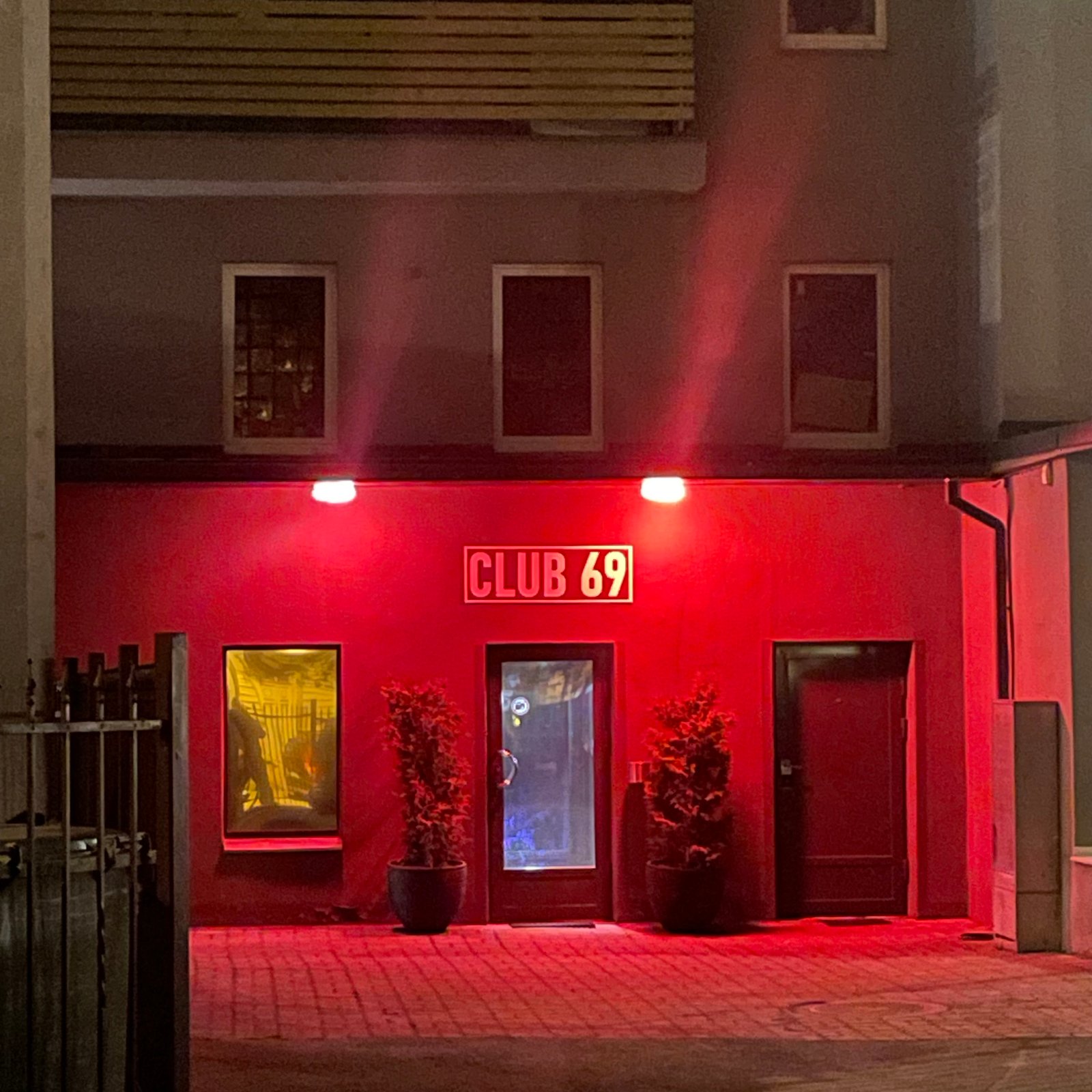
Former farm name, meaning and derivation unknown. None of the proposals are that convincing (‘Suk-’ from susi [wolf] and ‘-lema’ maybe something geographical or lamb-related)… Street named after a nearby inn of this name recorded as Sutlem (1798, Wiedemann in 1869 gives suklema as Ger. baden [to bathe or swim], fair for an inn), but may be related to the Sutlem manor 35 km S of Tallinn, first recorded 1425 as Suttelemode. This leads to two reflections: 1) MLG suddelære / sutteler became sudeln in mod. Ger., (make a filthy mess of or botch sthg, pfuschen, see also Sossimäe), and implied other grubbing-type terms revolving around the poor-quality or spoiled food attending the predatory camp-followers who ended up becoming sutlers (or victualers), essential players in miliary operations; and -ode with a very big perhaps, from MLG *ōd, from ōddēle, a term involving shared ownership (ȫde > desert, I think not); and 2) far more tenuous, from MLG sǖtlant (south land) or similar, with possible hints of nostalgia for back home in the south. Owned by the von Stackelbergs, one scion of which tacked the manor’s name onto his to become Eduard von Stackelberg-Sutlem. See Valdeku.