
Home
Muru (Muru)
Grass, turf, sod, lawn. See Auna.
Muuga (Muuga)
Harbor town a few miles east of Tallinn. Earliest recorded name (1314) was Naystenoia after its river Naisteoja (assumed to mean women’s brook), note too the possible former ‑n genitive, see Nõmme. The ‘river’ or stream, ditch, trickle today known as Käära (see Laiaküla), might have first meant ‘bendy river’ or ‘river on a bend’, despite genitive ‑a not ‑u, but also – as per one of the same name in NW Pärnumaa aka Koera oja – ‘dog river’, which I doubt and suspect to be a more gratifying name-shift; Estonian placenames involving koer (dog) are legion and often trace back to spellings of ambiguous meaning (Koirri, Koora, Kora, Kowre, Kõera, etc.). Village later known (1689) as Muncka, reminiscent of Münkenhof (monastery, former name of Muuga Mõis in Lääne-Virumaa), then Muka (1725) and while muuk:muugi is dialect for ‘monk’, there was also one or more nearby villages called Muka or Muki, becoming Muga in 1798… Muuk:muuga also means tongue-tied, clumsy. Proceed with caution. History very uncertain.
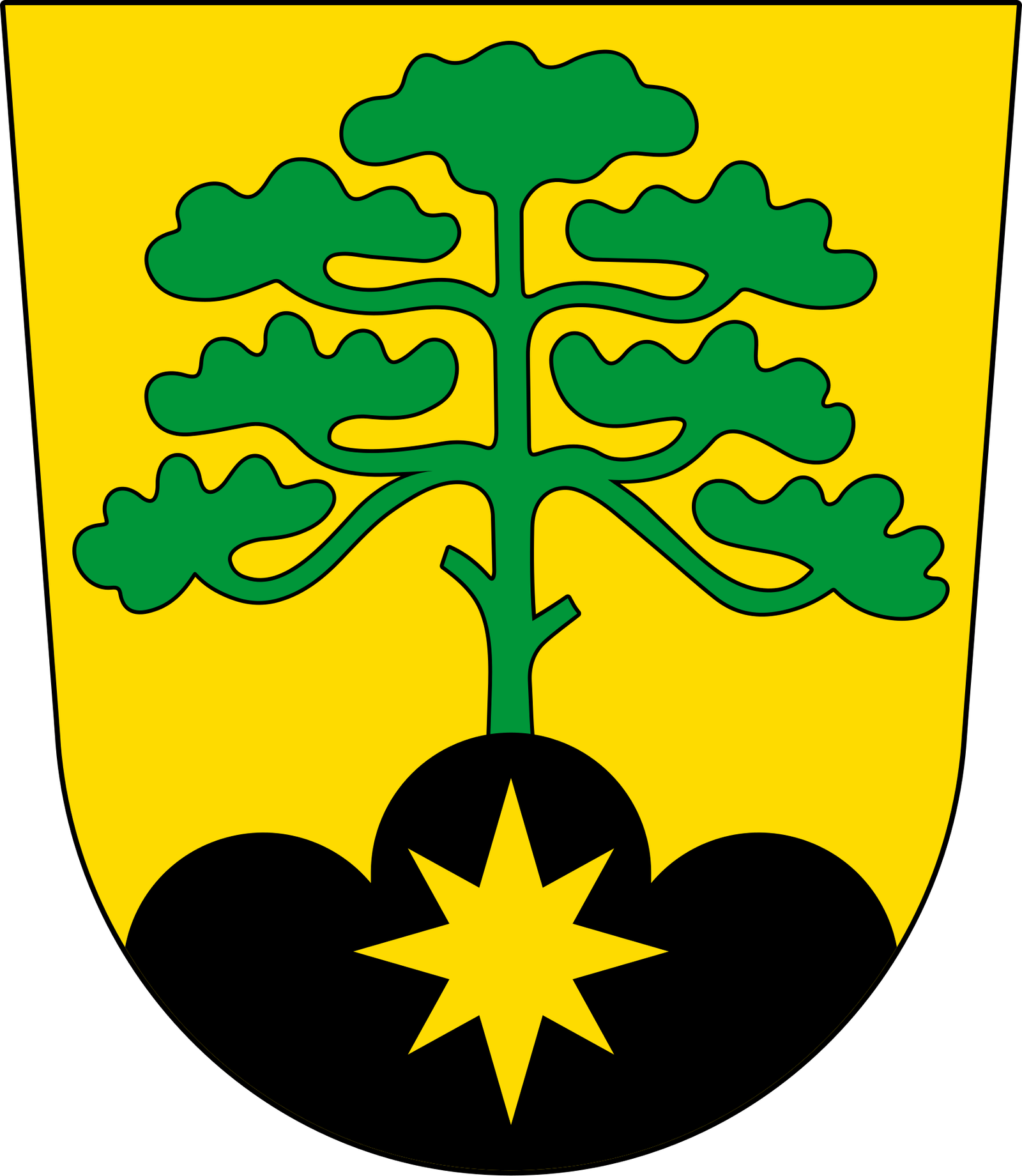 Mustamäe (Mustamägi)

Black hill, black mountain. Although use of the word ‘mountain’ is questionable (see Mäe for discussion). Most capital cities have buildings taller than Estonia’s mountains. Right or wrong, the nominative Mustamägi is sometimes heard. Even saying ‘black’ is questionable too. One of the only Estonian words which gives me a touch of urticaria is this one: must. It means black, but also dirty, and for people, a mustlane is a gypsy (not much better...). Reminds me of scrubland in the Pantanal, Brazil, described by one local as sujo, literally ‘dirty’ but to him meaning untamed, unfarmed, thus representing the dark, perhaps frightening, nature of tropical forest with its wild animals and insects. See Vana-Mustamäe. One of Tallinn’s 8 Districts (Linnaosad). It includes the following Asumid (Sub-districts): Kadaka, Mustamäe, Siili and Sääse. See Nõmme.