
Names
Niguliste (?)
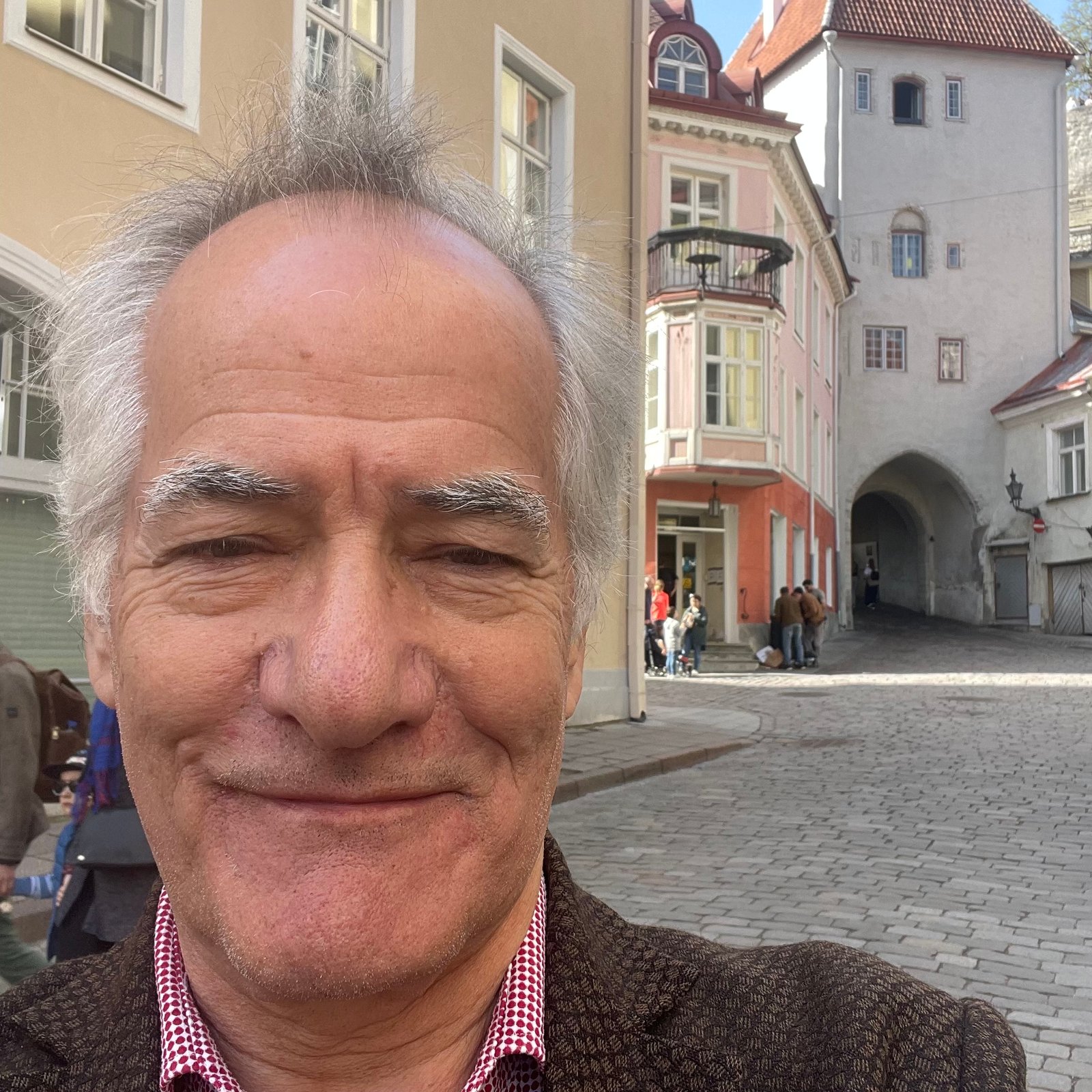
Street and church. Nicholas, presumed dead around 350 CE, relics nicked by Italian merchants in 1087, patron saint of sailors, children, unwed girls, apothecaries, merchants, pawnbrokers and perfumers, and patron saint of Russia. Saint’s day: Dec. 6, evolution into Santa Claus began during Middle Ages. For a variation on the theme, see Vene. First recorded as platea beati Nicolai in 1377, then going through some unusual contorsions in the 18th & 19th Cs: Nikkola ulits (like the next one, but more Finnish sounding, 1723), niggola ulits (old school Estonian spelling with Russian ‘street’ appended, 1732), Nigulaste uulits (where the ‑laste makes it sound like ‘Nigulians’, while ‑(i)ste may be from old Norse, 1861), and Nigolas uulits (1885). For some reason, probably related to the Kelchi pärn (see Nõelasilm and Pärnade), called Липовая (Lipovaya) or Липовая Городская (Lipovaya Gorodskaya, Linden or Linden City Road, in the early 20th C.
Niidi (Niit)
Thread, filament. One of a textile raw materials street group. See also Puuvilla.
Niidu (Niit)
Meadow, hayfield. One of a meadow flower or grass group. See Nurmiku.
Niine (Niin)
Bast, bass, phloem, the inner bark of lime trees, see Lõhmuse.
Nikonovi J.
(Jevgeni Alexandrovich Nikonov, 1920-1941)
Russian marine who fought in the defense of Tallinn in 1941, and, wounded and caught but refusing to divulge any military information, burned alive by the Germans. Decorated as Hero of the Soviet Union, an honor he shared with Matrossov. Soviet occupation renaming (1951-1991) of Soo.