Names
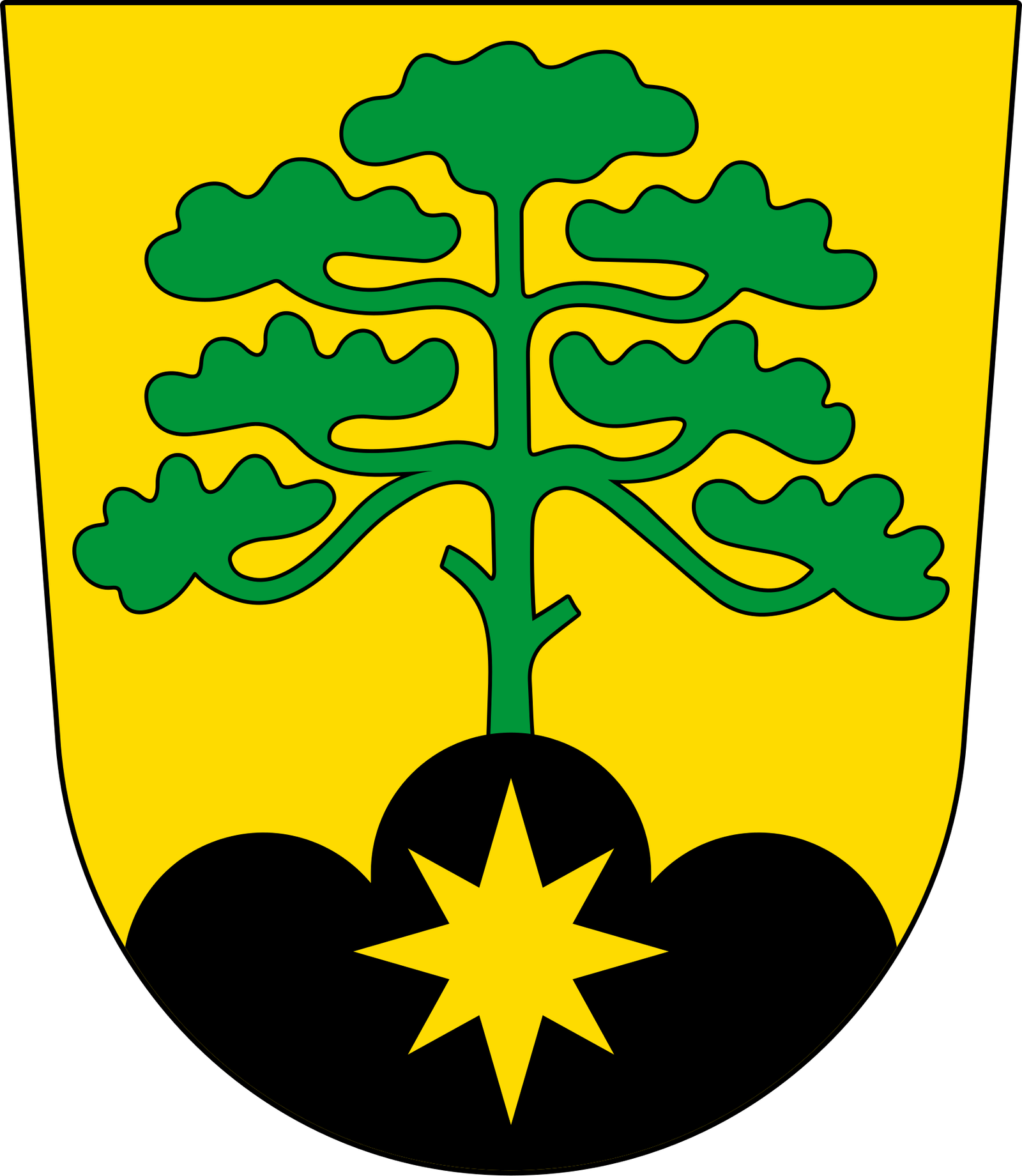 Mustamäe (Mustamägi)

Black hill, black mountain. Although use of the word ‘mountain’ is questionable (see Mäe for discussion). Most capital cities have buildings taller than Estonia’s mountains. Right or wrong, the nominative Mustamägi is sometimes heard. Even saying ‘black’ is questionable too. One of the only Estonian words which gives me a touch of urticaria is this one: must. It means black, but also dirty, and for people, a mustlane is a gypsy (not much better...). Reminds me of scrubland in the Pantanal, Brazil, described by one local as sujo, literally ‘dirty’ but to him meaning untamed, unfarmed, thus representing the dark, perhaps frightening, nature of tropical forest with its wild animals and insects. See Vana-Mustamäe. One of Tallinn’s 8 Districts (Linnaosad). It includes the following Asumid (Sub-districts): Kadaka, Mustamäe, Siili and Sääse. See Nõmme.
Mustjõgi (0)
Black river (actual river, not streetname), formerly known as Swarte beke, black beck, which gives the Sub-district Mustjõe its name. Earlier records include Zipe, another alternative of sīpe, sippe, sype, syppe, syeppe, syepe, siepe and zype (to which Eng. ‘seep’ is related), all meaning wet land or lowland, and a reminder of the location’s wetter nature 600-odd years ago.rict its name, see .
Mustjuure (Mustjuur)
Black salsify, lit. black root, Scorzonera hispanica, aka Spanish salsify, viper’s grass, serpent root (Latin name derives from Italian scorzone, snake, itself from Low Latin curtio, viper, due to its (extremely) short, curtus, members), and black oyster plant. Next door to Rõika.