
Names
Nirgi (Nirk)
Weasel. As they say: Eagles soar, but weasels don’t get sucked into jet engines. See Kitzbergi A.
Noblessneri (Noblessner)
Port named after Noblessner, the name of the company created when Alfred Nobel’s nephew Emanuel, director of Branobel (see Petrooleumi), and a torpedo manufacturer by the name of Lessner merged to build submarines for the Russian navy after the 1905 Battle-of-Tsushima débâcle (see Peetri). Founded around 1912, the shipyard operated from 1913-1916 until the дерьмо hit the fan, while Lessner’s St-Petersburg plant would later become known as the Karl Marx Machine-Building Association, which must have made him a very happy chappy. One of a group of five ports/harbors in Kalamaja. See Patareisadam.
Nõelasilm (0)
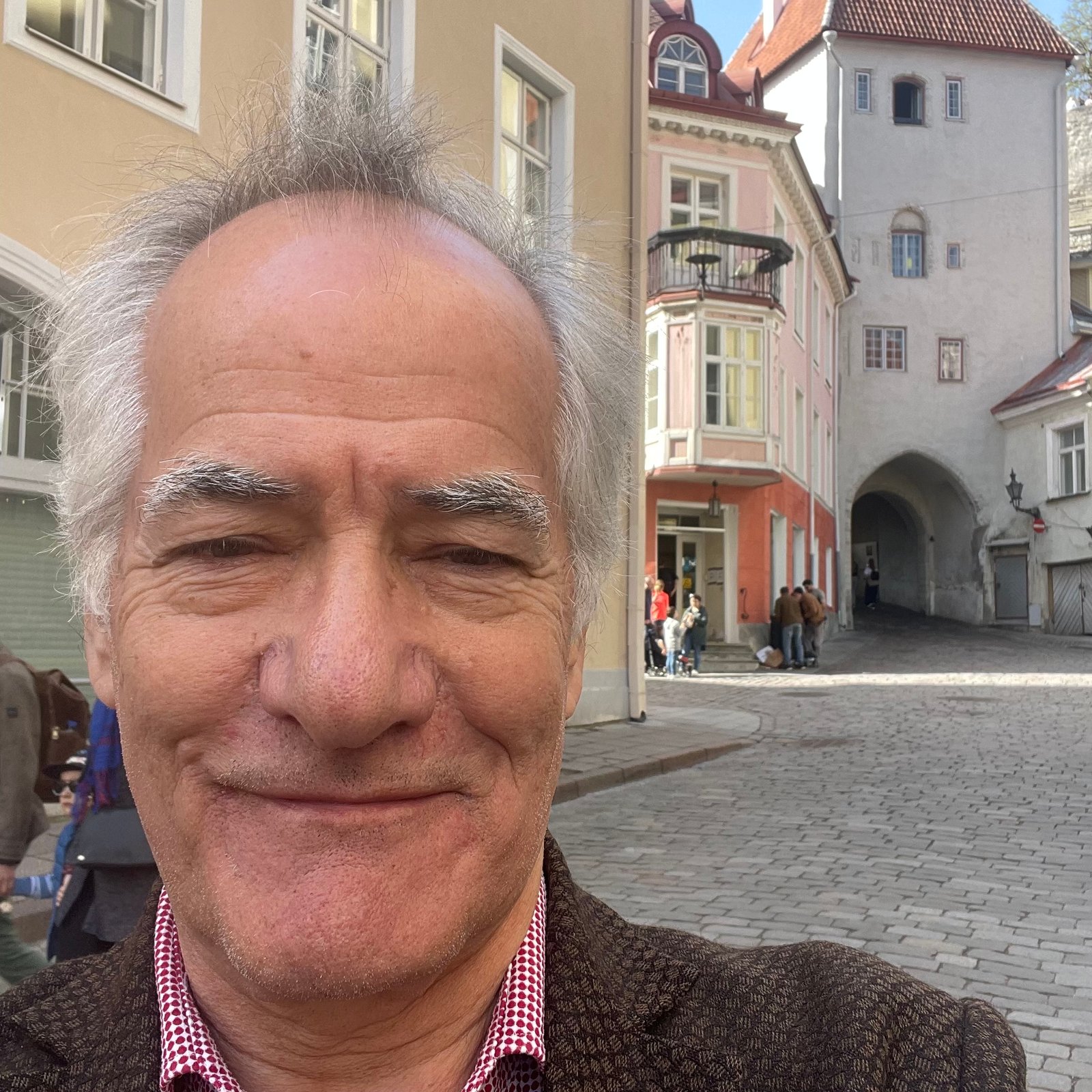
Eye of the needle. Portal at the end of what used to be a narrow street significantly enlarged by the March 9th 1944 bombing (see Harju). The Estonian name seems to be a curtailed translation of the Latin acus episcopi, where acus means needle or, by extension, eye of the needle, likely a calque on Bremen’s oldest gate, Die Natel (MLG de Natlen), aka Bischofsnadel (Bishop’s Needle) or Bischofstor (Bishop’s Gate), built sometime in the early 1200s. Being its first city gate and probably relatively small, earliest records (1274) already suggest it was designed to hinder military forces from entering the city (pretty much the job of any medieval city gate), with subsequent folk etymology accentuating the narrative to make it so small that even a horse and rider, then knight, could not pass through. And small this one is. Past names include Sunte Nyclawes stegel (St Nicholas’ steps, undated, but prob. oldest), Unter den Linden and Подъ Липовая (under the lindens, 1890), Kirchenstegel (church steps, 1913), etc. Nõelasilm was re-built and re-opened 20 August 2007 and, since the name theoretically applies to the archway itself, the alleyway is sometimes referred to as Trepi tänav, erroneously due to it already existing elsewhere, to be confirmed.
Nõeliku (Nõelik)
Usually a needle case, but here a tool for weaving fishing-nets.
Nõgikikka (Nõgikikas)
Black woodpecker, Dryocopus martius (see Rähni). Another bird with more names than feathers. I spare you the details. Breeds in Estonia. Wiedemann gives Kampfhahn, Machetes pugnax which is the ruff (now referred to as Kampfläufer, Philomachus pugnax), with Schwarzspecht (black woodpecker), covering his perse with a question mark. Here, however, amid the assarting street-name area, it is the name of a sooty, fireplace/stove/chimney spirit, one seemingly attributed with positive qualities as seen in various Võro idioms such as one when somebody throws a child’s (hopefully milk) tooth onto or behind the stove, saying Nõgikikas, säh, sulle luuhammas, anna lapsele raudhammas (Hey, Nõgikikas, we're giving you a tooth of bone, give the child a tooth of iron). The name also seems interchangeable with Viruskikas, where virus is the top of a stove, and viruskikas (which can also be a cricket) back-translates from Võro to Estonian as kurukikas, ‘nook/cranny cock’ or, PCly, ‘nook/cranny rooster’.