
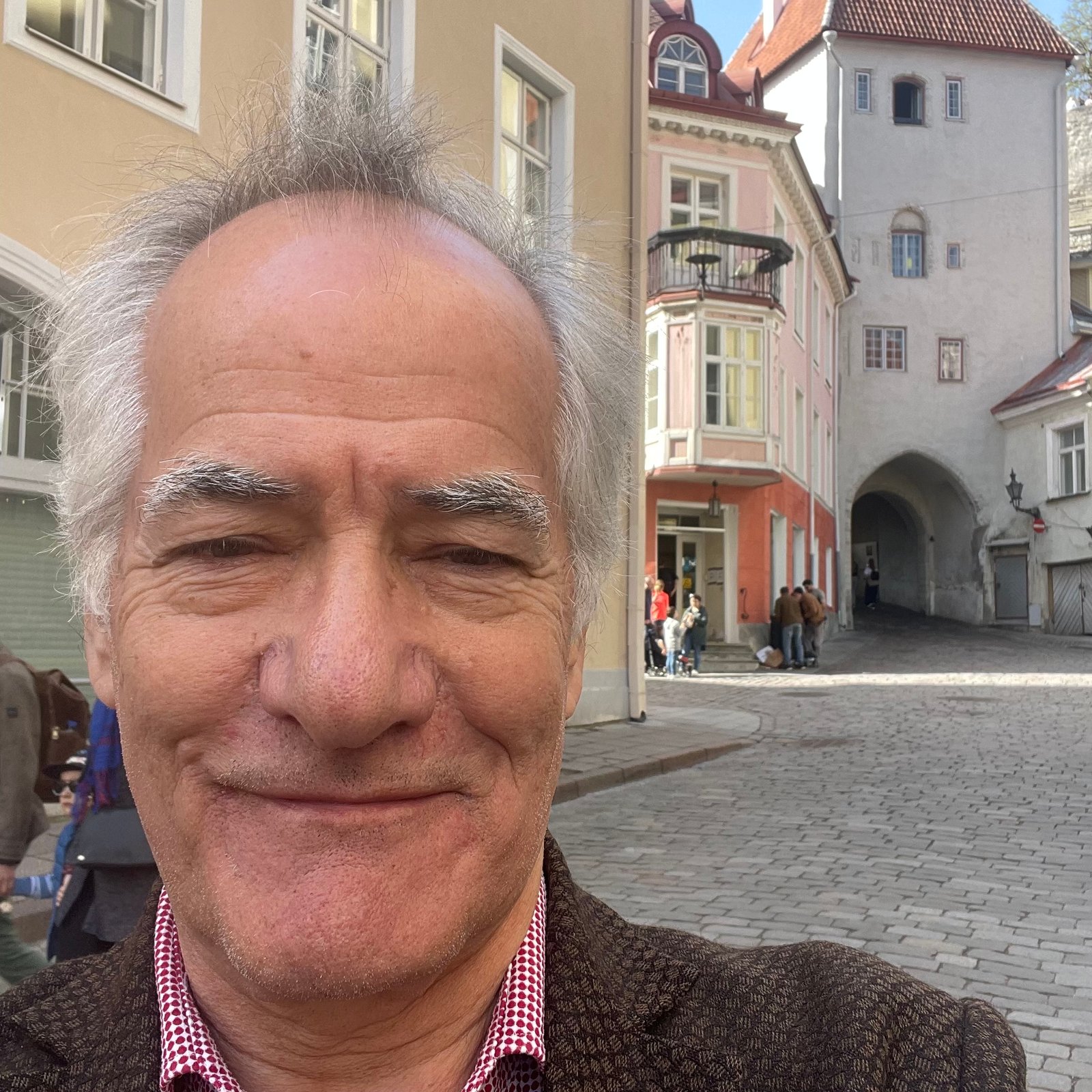
Names
Börsi (Börs)
Exchange, stock exchange. Once known by the name of Kilstoa kangialune or guildhall archway. German Börse (stock exchange > purse), French bourse and English purse share the same etymology, from Greek βύρσα (býrsa), hide, leather, through low Latin bursa, small bag with drawstrings (hence expression ‘to purse one’s lips’) in which money was kept, to modern-day purse and stock exchange. The story of a 14th‑C Bruges family, van de Borse or Van Der Burse, at whose house local and Venetian merchants used to meet and do business may well be apocryphal or incidental. Popular French etymology has often suggested that the bourse was kept against the groin, a site of great physical sensitivity and awareness and, true to form, one of the earliest uses (1278) of the term bourse (Mod. Fr. les bourses) was scrotum. And where better to keep a bag containing your valuables than next to another bag containing your valuables?
Bremeni käik (Bremen)
Bremen, former Hanseatic town in NW Germany. Known as Бремени проход (Bremeni prokhod, or passage) in Russian). There seems to be no record of this alleyway being named until the city’s 1996 wide-ranging decision to either name unnamed locations – including Katariina käik, Kai and others – or eradicate and rename signs of the city’s former involuntary Sovietization, for example: Vabastajate väljak (Liberators’ Square) replaced by Tõnismäe haljak; Pioneeride väljak (Pioneers’ Square) by Politseiaed; and Komsomoli väljak (Komsomol Square) by Uue Maailma haljak.
Bremeni torn (Bremen) 
Bremen, former Hanseatic town in Germany. But apparently its original name might have been Bremertorn after a local resident (or a documentary misreading?). Bremeni torn was a prison in the mid 15th C, known then as Bremen de vangen torne (Bremen the prison tower), and used thus until the 17th C. See also Eppingi torn.