
Names
Hattorpe-tagune torn (0) 
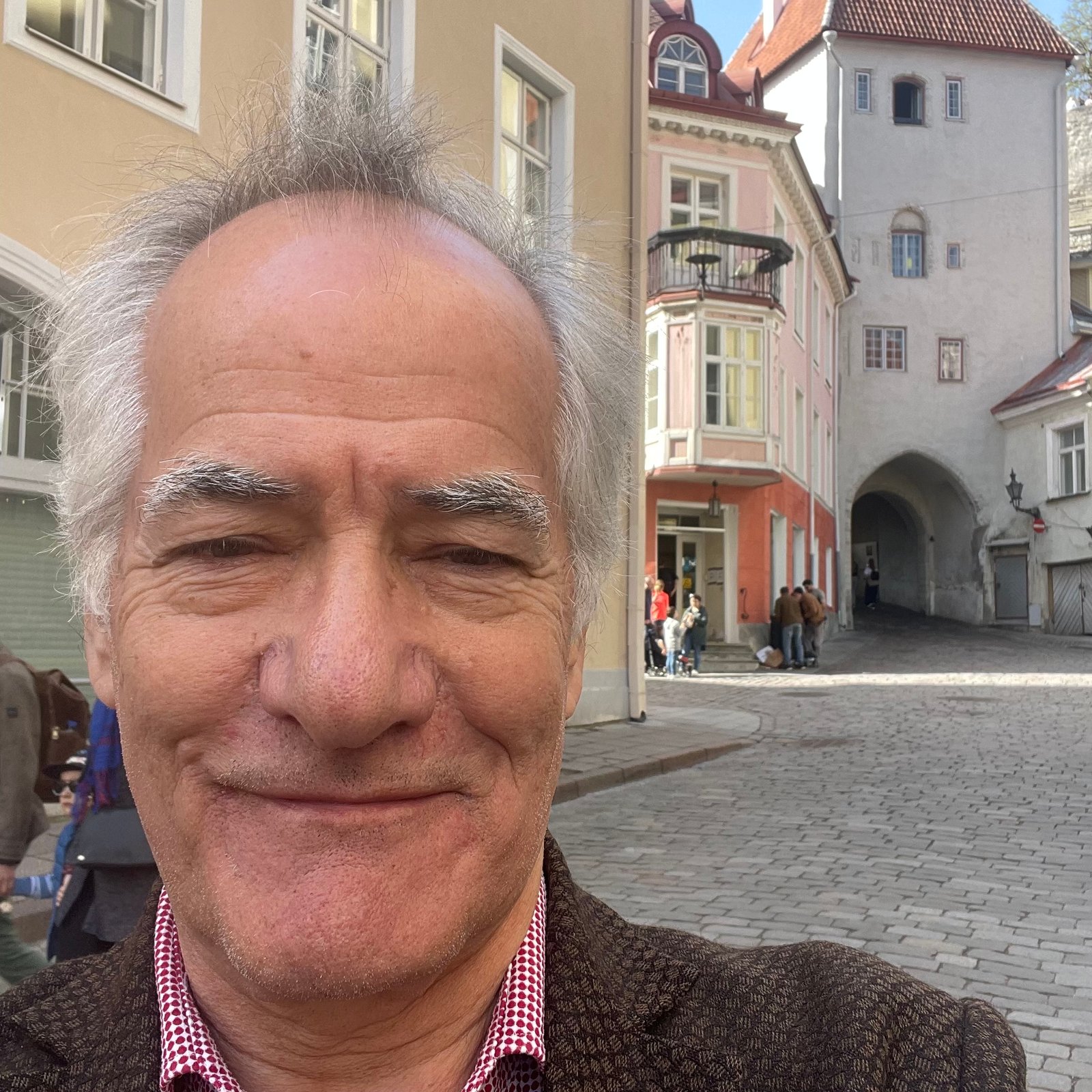
The tower behind Hattorpe’s, a Hattorpe (van Hatdorp, fl. late 14th / early 15th C?) was listed in the 1410-1414 list of Tallinn tower chiefs, i.e. the ones with the keys (de de slotel hebben to den tornen). Das Bruderbuch der Revaler Tafelgilde (1364-1549) mentions a Tones Hatdorp (with standard variants: Tonnies, Tones, Toniges, Antonies, Anthonius [see Tõnu], van Hattorpp, and Hattorp) as a Tableguild brother from 1434, who might have been his son, hailing from Soest, Germany, source of many a later Baltic-German noble, and wealthy Hanseatic traders may well have kept two homes. See also Hellemanni torn.
Havi (Haug)
Pike, northern pike, Esox lucius. The one they managed to let slip through the net here (intentionally, one wonders) is tuulehaug: the garpike, Belone belone. Why did they keep it off the streets? Because, as you discover when sitting in a restaurant not far from Chernobyl (well, 1000 km anyway) with more than moderate alarm is that the fish’s bones are green. Part of a fish group. See also Kammelja.
Heina (Hein)
Hay. Part of a fodder and staples street-name group. See Lible.
Heinamaa (Heinamaa)
Lit. ‘hay land’, grassland, field or meadow, with or without wildflowers, grown for fodder. Next to Rohumaa.
Heinavälja (Heinaväli)
Hayfield, grassland, meadow. This differs from Heinamaa in having natural or man-made boundaries where heinamaa is more open land.