Home
Nepi (Nepp)
Snipe, which sounds and is derived from MHG snepfe or MLG snippe or sneppe (modern German Schnepfe). (It also means NEP, which, for any pre-geriatric still struggling through, means New Economic Policy, a Soviet-devised method of self-impoverishment). Two species breeding in Estonia:
- Mudanepp, jack snipe, Lymnocryptes minimus
- Rohunepp, great snipe, Gallinago media.
Part of the Lilleküla bird-name group of streets. See also Pardi.
 Nõmme (Nõmm)

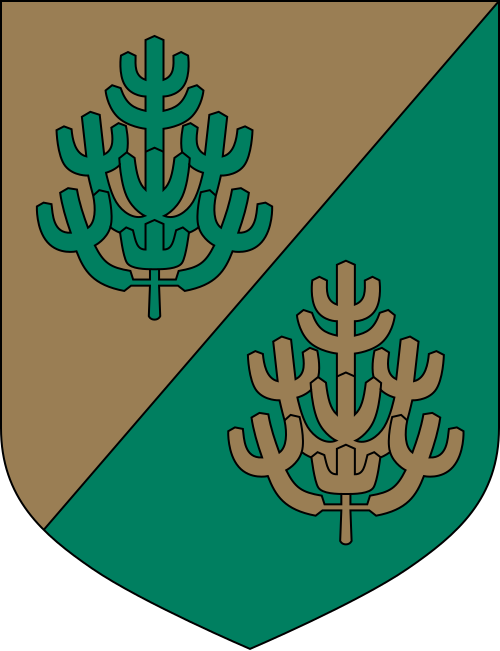
Heath, moor, moorland. An odd one: although the nõminative is Nõmm, as far as streets or Districts are concerned, it’s never used. Elsewhere (e.g. Harjuorg, etc.) the occasional District is in the nominative for reasons of geographical descriptiveness, and if the Estonians can gather their wits enough to call a Kesklinn Kesklinn, they should be able to do so here. On the other hand, elsewhere they do the opposite, calling the District Tõnismäe (genitive) and the street Tõnismägi (nominative, with neither tänav nor similar appendage). Perhaps we are entering one of those nebulous areas of linguistics where the object’s appellation has a greater or lesser semantic footprint according to what it designates. Whereas a town center or valley has a relatively identifiable quality about it, a heath is woollier, its perimeter, profile and even ‘heathiness’ morphs according to weather or season. Does its name refer to the land or the vegetation (compare the English cognates ‘heath’ and ‘heather’ and German Heide [heath (Feldmann et al.’s Baltisches historisches Ortslexikon translates nõmme as either Heide or hügeliger Sandboden, hilly/moundy sandy soil)] and Heidekraut [heather, or heath herb], all ultimately derived from proto-Indo-European *kait, open, unplowed country)? Perhaps its lack of definiteness implies more frequent usage in association with other words, in Estonia, the corollary of which is a necessary genitive. In Finnish, with which it seems to share its commonest ancestor, it’s nummi:nummen, where the nominative ends in a vowel and the accusative vice versa. The (An?) Estonian genitive used to end in -n, but this apparently disappeared sometime between the early 13th C and the 16th C, and seems to exist today in very few words, if not one: Maantee, (which also happens to be the name of a village on the southern tip of Saaremaa) but see Sompa. One of Tallinn’s 8 Districts (Linnaosad). It includes the following Asumid (Sub-districts): Hiiu, Kivimäe, Laagri, Liiva, Männiku, Nõmme, Pääsküla, Rahumäe, Raudalu and Vana-Mustamäe. See Pirita.
Püü (Püü)
Ptarmigan. Two species – Laanepüü, hazel grouse, Bonasa bonasia and rabapüü, willow ptarmigan, Lagopus lagopus – breed in Estonia. The ‘t’ of ptarmigan is wrong. The name comes from Scottish Gaelic tàrmachan, of unknown origin, and the initial pt- from the mistaken belief in a Greek origin to do with wings (ptero, wing). But no. As to its actual etymology, there is little clear evidence. Wikipedia gives 't̪ʰaɾaməxan, for ‘croaker’ referring to the bird’s call, but I find no source. Alexander MacBain’s Etymological Dictionary of the Gaelic Language of 1896, concentrating on Scot. Gael., sheds some interesting light. For example, the dunlin (Calidris alpina) in Scot. Gael. is pollairean, meaning ‘bird of the mud pits’, where ean (and variants) means ‘bird’ and poll ‘mud’ or ‘mud pits’. So we know – as with fireun (eagle), from fior + eun (true bird) or giodhran (barnacle goose from gèadh + an (goose bird) – that the -ean, -eum, -an ending means bird. So far so good. My suggestion is that the name could derive from a combination of terms reflecting its size and habitat indicating something akin to ‘(big-)bellied bird of the plains’, from tàrr (lower belly) + magh (plain, field) + an. Could be (grossly) wrong so don’t quote me! Part of the Lilleküla bird-name group of streets. See also Ronga.