
Home
Muti (Mutt)
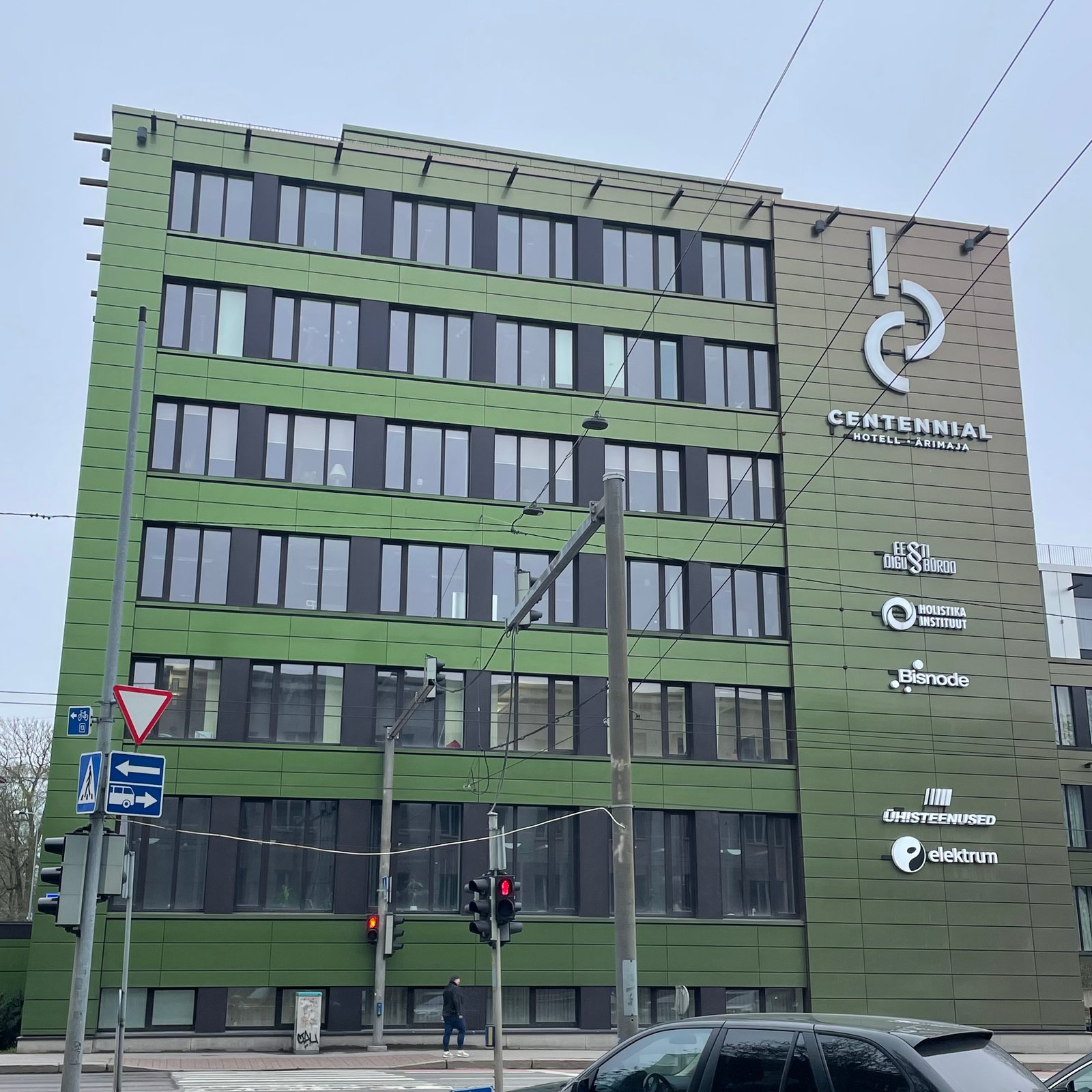
Mole (not the facial sort). Also means 1) old crone, old woman, which seems to be the commonest usage in everyday language; 2) type of dragnet; 3) game of cards; and 4) the holes for cord along the edge of a sail. Street once broken in two by a 3-hectare block of buildings revamped in 2015 by a street addition replacing the section west of the building, see Mingi!
Räägu (Rääk)
Aka rukkirääk, corn crake or corncrake, Crex crex. Breeds in Estonia. Where Roman or English corncrakes go crex crex, Estonian ones have to borrow the vulgar anatine prääks. Grossly unfair: all they had to do is change one letter and get crääks. Part of the Lilleküla bird-name group of streets. See also Siidisaba.
Lõokese (Lõoke[ne])
Lark. Various inclinations breed in Estonia:
- Nõmmelõoke, wood lark, Lullula arborea
- Põldlõoke, skylark, Alauda arvensis
- Sarviklõoke, horned lark, Eremophila alpestris
- Stepilõoke, calandra lark, Melanocorypha calandra
- Tuttlõoke, crested lark, Galerida cristata
- Välja-väikelõoke, greater short-toed lark, Calandrella brachydactyla
To imitate a skylark, the sound you make is Liiri lõõri, so the nursery rhyme (Pöide region) goes like this:
Liiri-lõõri lõokene,
Piiri-pääri pääsukene,
Lenda üle meie kesa,
Rääste alla punu pesa.*
Part of the Lilleküla bird-name group of streets. See also Meika.
* You translate it!
Marsi (Marss)
1) Mars (the planet; the god would be Mars in the nominative); 2) March (as in military, the month is märts; 3) Maintop (the platform about 1/3 the way up a mast). Next to Sõjakooli, so 2 it is, but obviously related to Mars too who, as god of war, gives us ‘martial’. Part of the Tondi military school group, see Rivi. Marsi was also an earlier name of Lehola, another martial street.