

Names
Trahteri (Trahter)
Trahteri (Trahter)
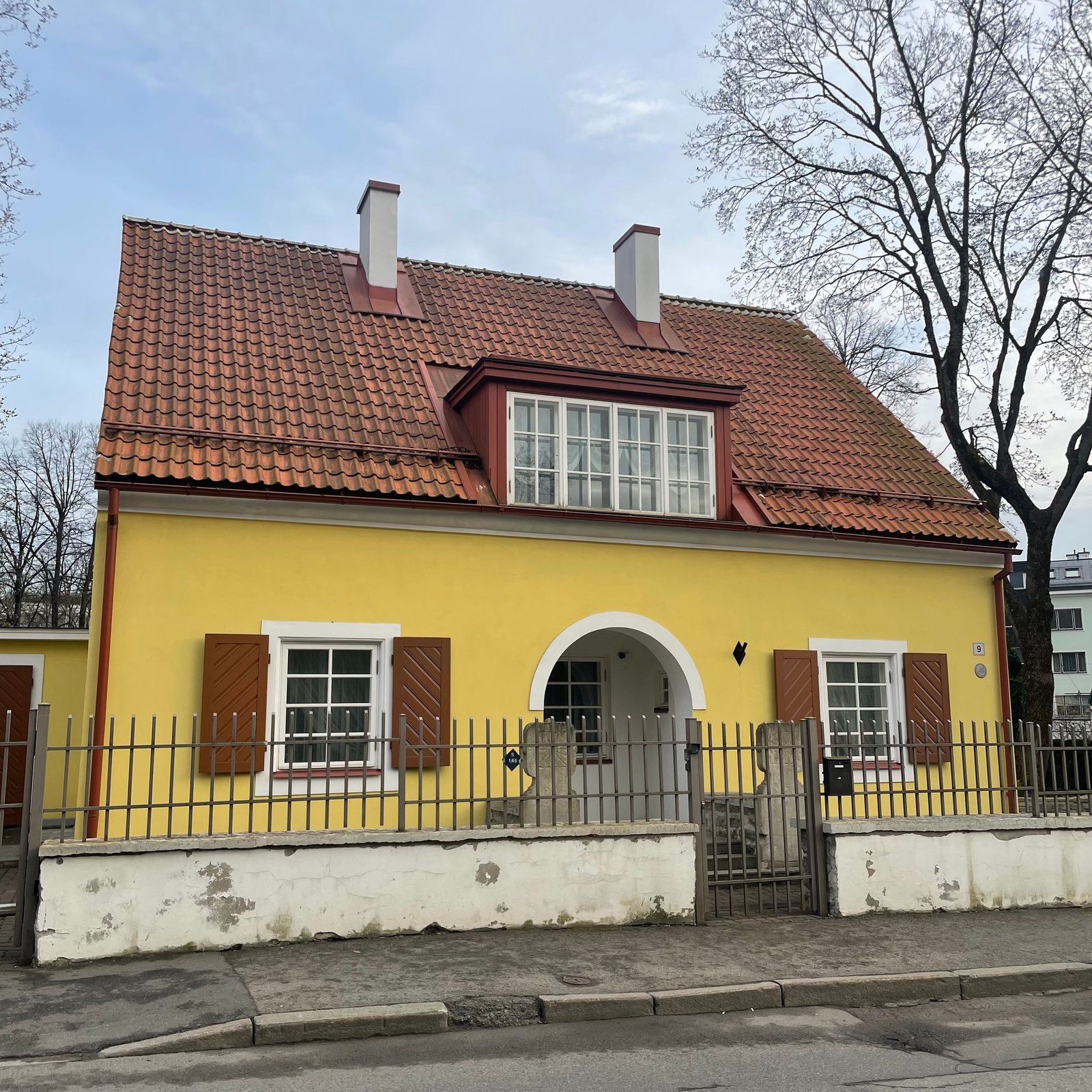
Lit. Tavern, inn, public house. Saagpakk suspects it comes from the Russian or German. EES suggests Esto-Swedish trafter, guesthouse which – given Sweden’s importing of French vocabulary following Napoleon’s installation of Bernadotte as childless King Charles XIV John’s son and heir – probably derived from French traiteur, originally a person providing food for money, purveyor of food, thence restauranteur, now more or less a delicatessen and/or caterer, cf. Italian trattoria. Hence 3 main possibilities: 1) A farm or poolmõis (see Mõisa) just named Trahter (there was an Adami Trahteri tee / Aadamatrahteri koht [stead, seat] a few km east, possibly related); 2) A farm or poolmõis acting as inn. Since there were 2 streets/locations of the same name within 20 m of each other, this one, ‘new’ i.e. Uuetrahtri, also listed as “(Ges.)” or Gesinde (dependency, see Õismäe); and ‘old’, Vanatrahtli, also listed as Kordon, or border post, presumably one set up between Tallinn and Harku under the first Soviet Occupation of 1940-1941; and 3) a combination of both, probably the more likely solution.
Treiali (Treial)
Lathe-operator, turner. One of a mini trade-name area, see also Kaevuri. To say this street is odd is an understatement, even by Tallinn standards… It starts happily enough close to the Russo-Baltic Shipyard, nicely cobbled and cuddly around the pretty little Nicolas church and keeping the sea at bay, then splits off eastwards to cross the track towards the seaward ‘lines’ (3. liin to 5. liin), but doesn’t get there! Gone! 10 m down the hill you reach Liinevahe. And yet 250 m away, at ///movie.sweated.wagers there’s another stretch of street, maybe 50 m long, also named Treiali, with neither road, footpath nor motorway in between.
Trepi (Trepp)
Staircase, flight of stairs, doorsteps. Two versions: town-center version once known as Sunte Nyclawes stegel (St Nicolas’s steps), later switching to a name closer to the German heart, Unter den Linden (1890), Russified as Подъ Липовая (Pod Lipovaya, ditto) then back to Kirchenstegel (church steps) and Estonified as Väike-Niine (1913), the Trepi tänav off Harju was destroyed in 1944, and re-built, re-named and re‑opened on 20 August 2007 as Nõelasilm. Probably pure coincidence that the first part of this name relates to the Sunte Nyclawes stegel above.The other version, in Nõmme, renamed in 1940-41 as Astme, another name (aste) for step (or degree, grade, rank, etc.), and essentially a foot- or cycling path, starts with not one but two separate flights of steps, revealing, if nothing else, the dazzling excitement of place-name studies…