
Names
Pinna P. (Paul Pinna, 1884-1949)
Full name Paul Otto Hermann Pinna. Estonian actor and cult figure so famous he even had a brand of cigarettes named after him.
Pinu (Pinu)
Pile or stack of (fire-)wood. In a land of abundant forest, trees and woodland, as well as abundant rain, fog, mist, drizzle, sleet, snow, plus hail, mush, slush, bogs, swamps and marshes, it’s good to have a stash of wood and a heap of names to describe it. One of a fire-making group. See also Riida.
Pioneeride (Pioneerid [pl.])
Young Pioneers, Communist organization for elementary school children usually on their way to joining Komsomol. (Sing.: Pioneer). Soviet Era renaming (1950-1990) of Toom-Kuninga.
 Pirita (Pirita)

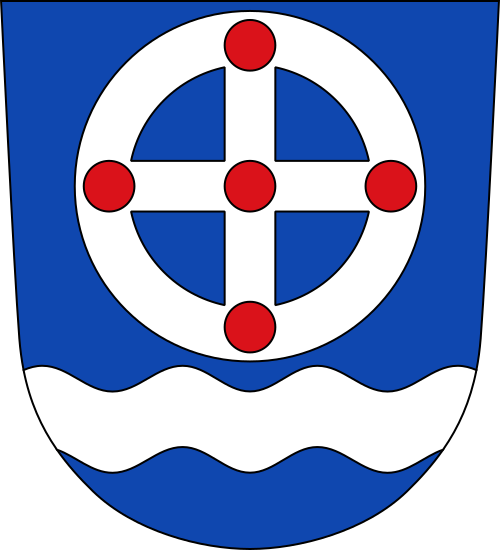
After Birgitta Birgersdotter, Saint Bridget of Sweden, 1303-1373. The Brigittine sisters first arrived in Estonia in 1412, five years after its founding. Host to the annual Birgitta Music Festival, in 2020 the convent numbered 10 nuns of Mexican or Indian origin. Previously (1920) spelled Piirita. Owes its fame largely to Bornhöhe’s novel Vürst Gabriel ehk Pirita kloostri viimsed päevad, Prince Gabriel or the Last Days of Pirita Convent (1893), converted into a historical adventure film, Viimne reliikvia, The Last Relic, by Grigori Kromanov (1969). The Estonian present-day first name Piret derives from Birgitta/Pirita. One of Tallinn’s 8 Districts (Linnaosad). It includes the following Asumid (Sub-districts): Iru, Kloostrimetsa, Kose, Laiaküla, Lepiku, Maarjamäe, Merivälja, Mähe and Pirita. See Põhja-Tallinn.
Pirni (Pirn)
1) Pear; 2) Lightbulb – Kellelegi pirni panema is to play a practical joke on someone, take someone for a ride, or make someone’s life miserable.
Plaasi (?)
Old farm name, also known as Plaasna (1920-25) and Plasi (1913). Possibly a colloquialization of Blasius (Basil[ius], or Blaise in English), rendered variously as Ulas, Laas, Vlasius or Wlasius.