
Home
Kaevuri (Kaevur)
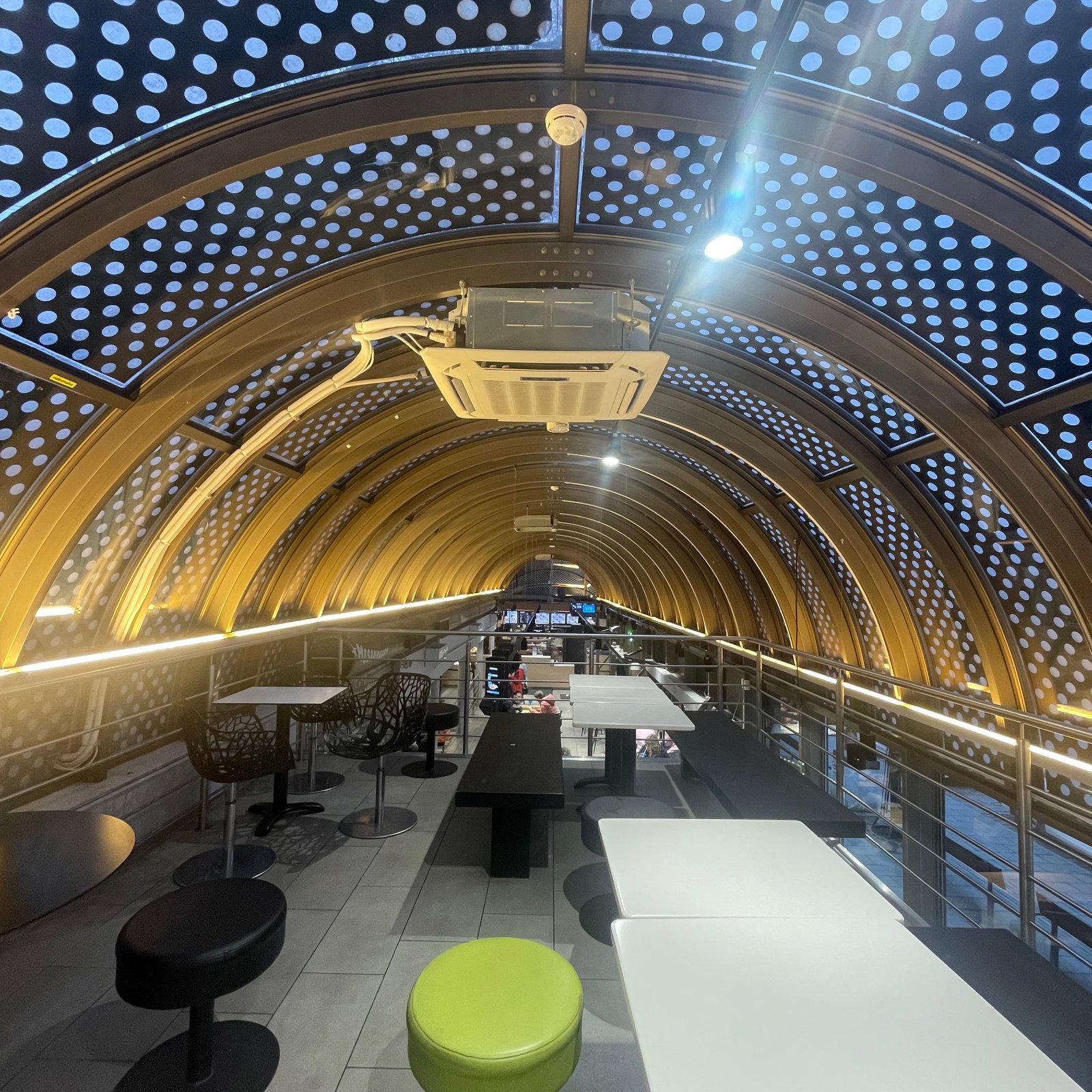
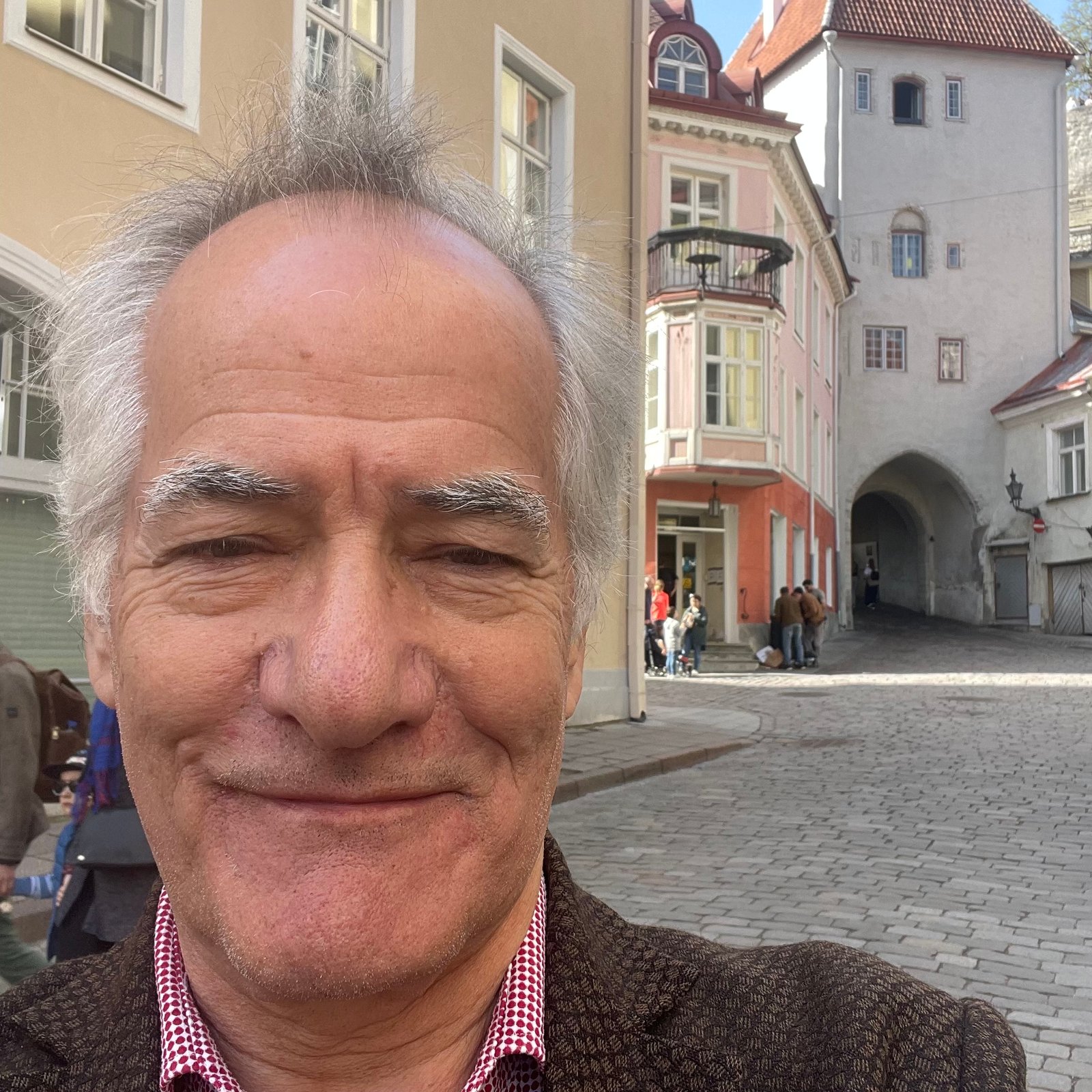
Miner, digger. One of a mini trade-name area, see also Sepa. Despite its superficial and/or coincidental resemblance to ‘cave’ and ‘excavate’, the word is related to other close-neighbor FU terms such as Livonian kouvõ, Finnish and Votic kaivaa for to dig or dig up, and more distantly from eastern FU languages for spade: Erzya, kojme; Moksha, kajmä; Nganasan, kaibu, etc. Even so, the two PIE roots – *keue-, swelling, arch, cavity, and *keup-, a hollow (see Palli) – are not a million miles away, and digging is obviousy a very early and widespread human activity. Interestingly, ‘alcove’ (see Teeääre) comes via Spanish alcoba itself from Arabic, either al-qubba meaning a dome, cupula or small bedroom, or al-kauf, a nook for sleeping, in Hebrew kubbah, קבה, a round, vaulted tent, with neighboring words such as kabar, קבר, for to bury or pile earth on top of a dead body, and kubbaath, קבעת, for a chalice of flowers or a cup used for drinking, all of which suggesting a curved shape. Interestingly, the road is still cobbled and looks like it’s been that way for hundreds of years.
Kagu (Kagu)
South-east, south-eastern, south-easterly. Also süüdoost or süüdost among sailors. See also Edela.
Kahu (Kahu)
Son of Pakase, which perhaps makes him young and cool... Kahk:kahu means slight rustle, whisper. For those fascinated with words describing obscure sounds, try this: rahin:rahina – sound made by partially-frozen water rubbing against the side of a boat. Renamed (1979-1994), along with Lummu, as Pusta A. during the Soviet occupation. Part of a magico-mythological group. See Kuukivi.
Kailu (Kail)
Ledum, march tea. Member of the Ericaceae or heath / heather family, formerly belonging to the Ledum genus, but now considered a Rhododendron. Generally used for ‘tea’, but see Sookailu. One of the Mähe flower-name group, see Kastevarre.