
Saiakang (0)
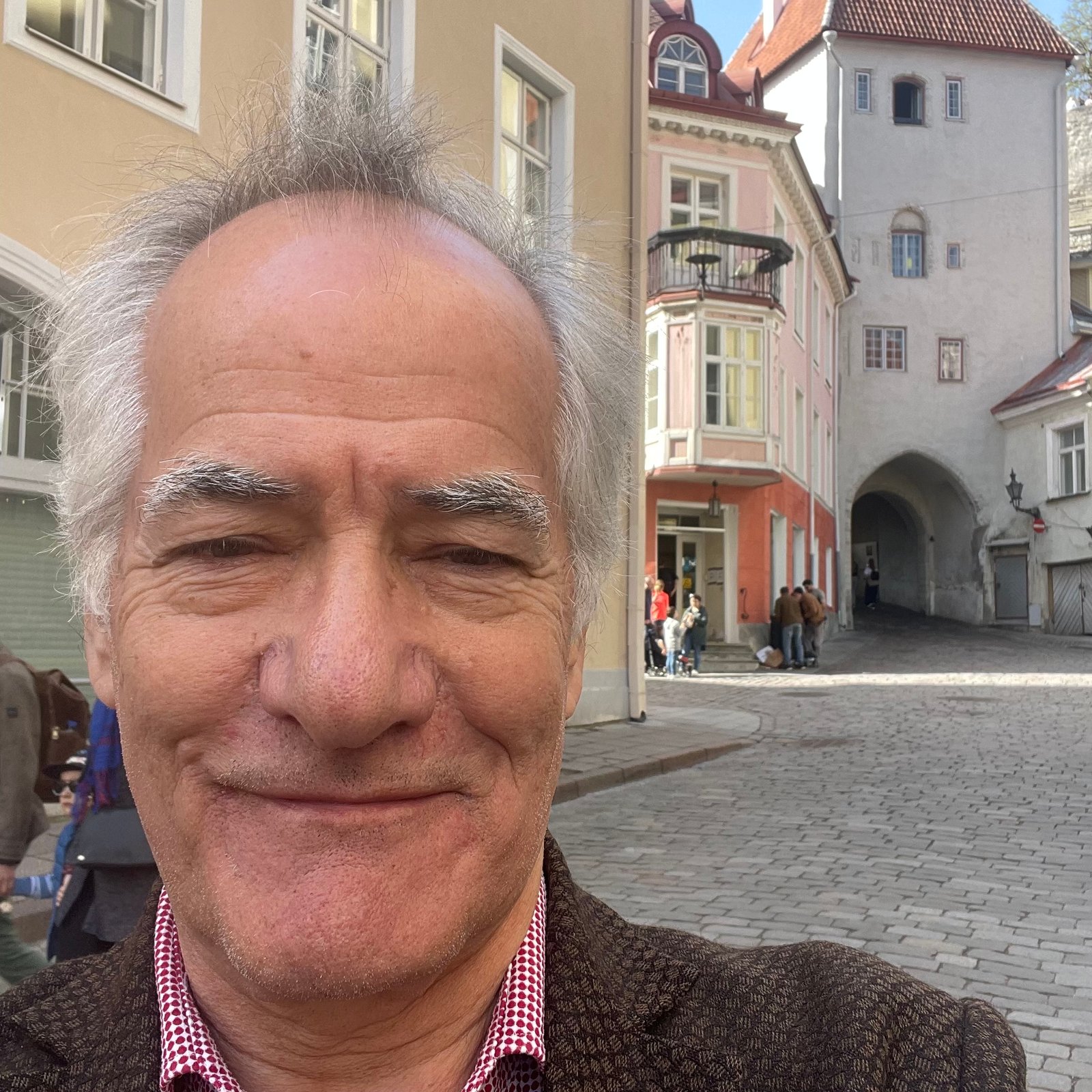
White bread passage / vaulted archway. First recorded in 1370 as iuxta forum prout itur ad sanctum Spiritum (next to the market/square, through which you go to the Holy Spirit) then 1430 gang van hilgen gheste to deme markede wart (passage from the Holy Ghost to the market [MLG wart = -wards in Eng.]). Over time, the passageway has run through a number of names reflecting its raison d’être: bread. Russian: Хлѣбный пер. (Khlebny per., bread lane, see Intro for old Rus. spelling), Булочный ряд (Bulochnyy ryad, Bakery row) and Бабий пер., putting various cats among pigeons where Бабий (Babiy) can be ‘just’ a familiar / dismissive term for women or ‘skirt’, or even designate a housewife’s workspace in front of the stove (cf. Härjapea). German: Der Gang (walk / passage) or Weckengang (20th C, Wecken = various types of currant bun), with des heiligen Geistes Gang (Holy Ghost passage) still used mid-19th C. Estonian: earliest name sai kang (1732), later losing its Germanic consonance and renamed Saia käik from 1950-1987. Shoulda kept it, sounds like ‘cake’.