
Neitsitorn (0): 
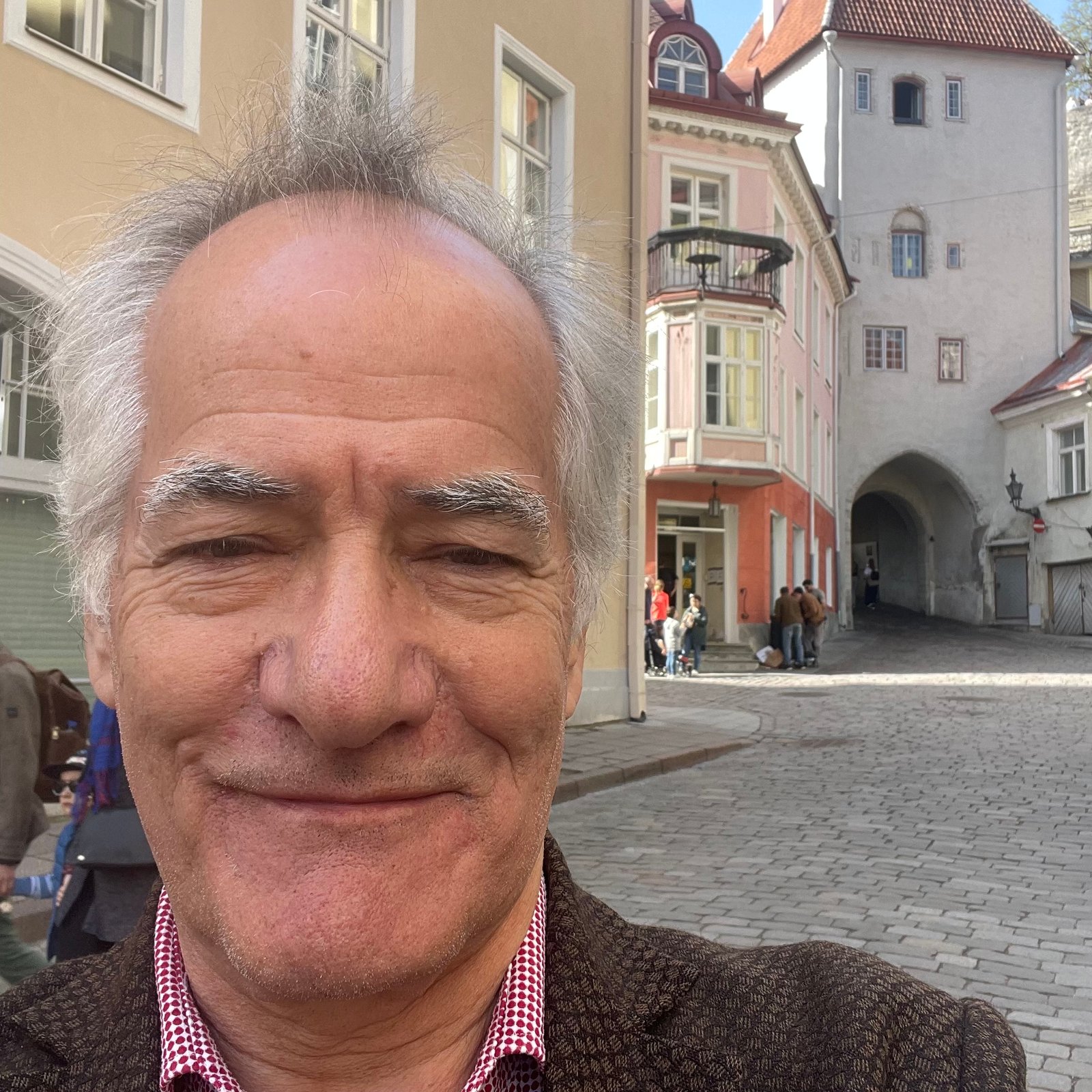
Maiden’s / Virgin’s tower, used to incarcerate prostitutes during the Middle Ages. Maybe, that’s what they say. Tallinn tower names usually implied a connection either of an official nature (cf. Wulfardi-tagune torn) or to a wealthy burger (cf. Ray Kroc). This one was first mentioned in 1373 as ‘Meghede torne’ and the consensus seems to indicate that a local by the name of Hinse Meghe was probably responsible for managing its construction. So today’s name would be the Estonian translation of a German folk etymology imagining Meghe to come from MLG māget, literally ‘unfreies Mädchen’ or ‘unfree girl’ (not in the sense of being in prison but tied to service on a farm, etc., as opposed to a lose vrouwe (loose woman), usually a married woman who worked as an independent hired hand), Magd, farmgirl, to the more romantic maid. Some of the more histrionic Estrionicists saw a ‘Mägede torn’, tower of the hills. See also Nunnadetagune torn. For those interested in this sort of thing, the root for māget has also given us Cornish mowes, girl; Old Icelandic mǫgr, son, young man; ditto the mac and map in Irish and Welsh surnames; Albanian makth, young rabbit; and Latvian mazs, small, short, tiny, dwarf and poor.