
Names

Lõosilma (Lõosilm)
Forget-me-not, Myosotis spp. The origin of the name dates back to round about 4000 BCE when the First Couple were requested to leave the Botanical Gardens for making fashion statements with vegan nitwear. At the gate, a little flower is reputed to have cried out ‘Forget me not’, although nobody really knows quite why. One of a meadow flower or grass group. See Mailase.
Lõõtsa (Lõõts)
Bellows. Part of a mini iron-working group. See also Sepapaja.
Lootsi (Loots)
Pilot, in this case, a ship’s pilot. The word probably comes from MLG lōt, loet, lȫde, etc., for ‘lead’ (the metal, now Blei, see Tina) and for the weight or plummet used to test water depth, a word poss. borrowed from Old Eng. ‘lead’. Despite containing part of the same (‑lot), Eng. ‘pilot’ is from French pillote, and ultimately Anc. Gk. πηδον (pedon), rudder, lit. steering oar, with its root, πηδ- (ped‑), suggesting a one-time control by foot. In 2022, a cog dating back to the 1350s was found at No.8, see Koge).
Lootuse (Lootus)
Hope, expectation. Doesn’t quite have the same ring as Micawberism, or the same meaning as ‘lotus’ (lootos:lootose), but still. Part of a metaphysical street-name group. See Aate.
Lossi (Loss)
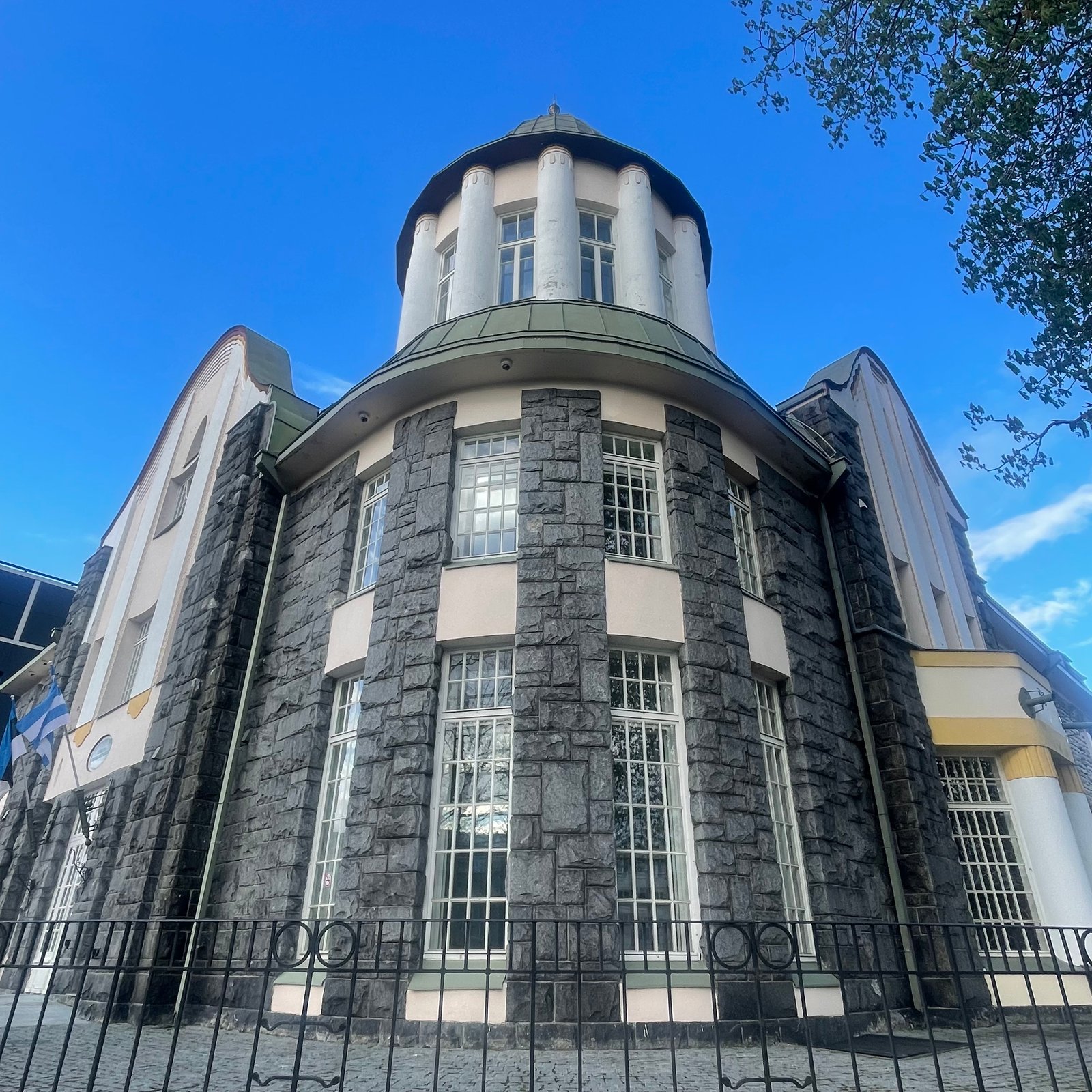
Castle. Named after Glehni N.v.’s residence at the western end of Trepi: Hohenhaupt (‘high head’), a name calqued on the first German name of Kõrgepea nukk. Renamed (1950-1990) Basseini during the Soviet Occcupation. See also Lossi plats.