
Names
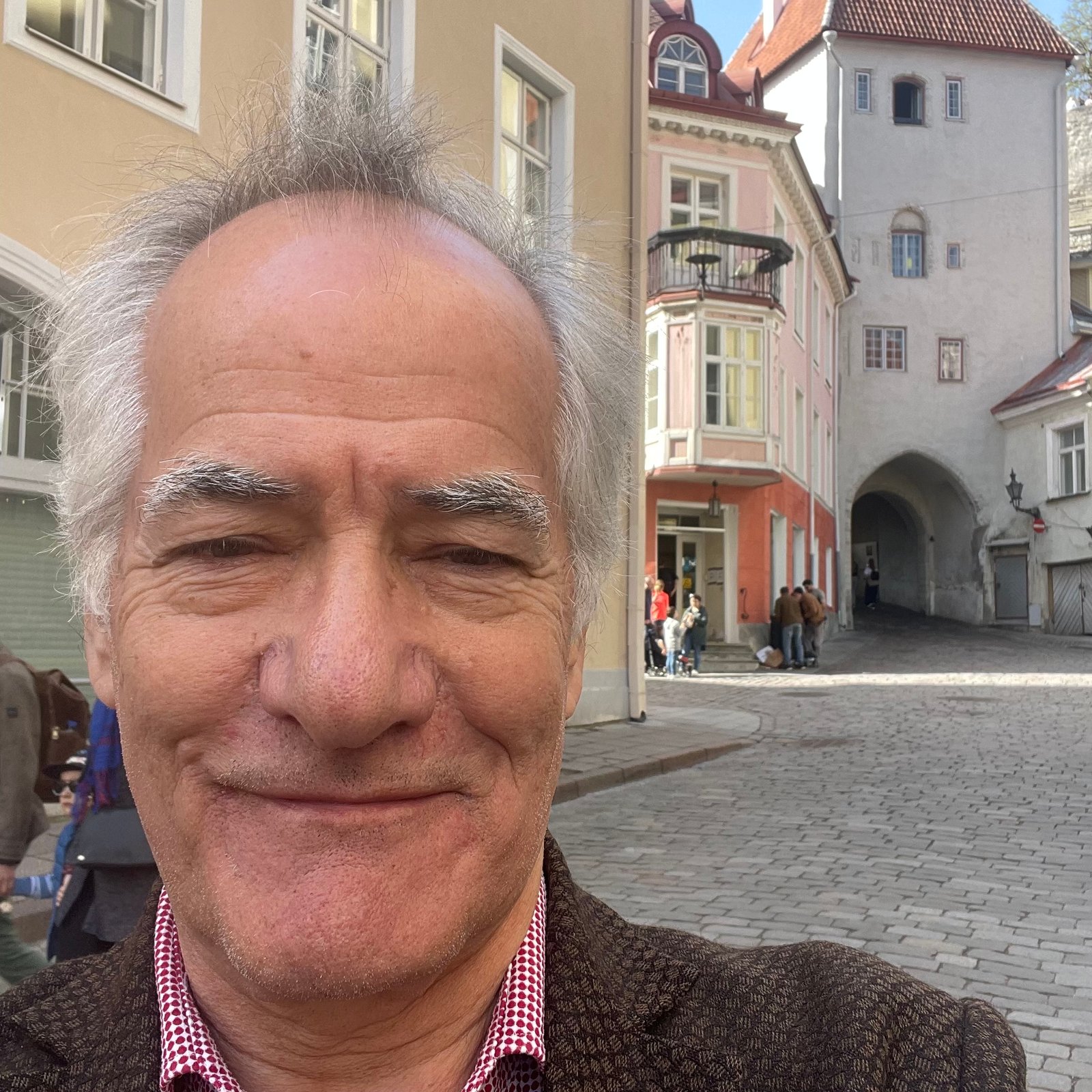
Viru väljak (Viru)
Known as ‘Flea market’ in the 19th C (but see Täi), although the 3 variants – Est., Ger., Rus. – all call it louse market: Täiturg, Läusemarkt, Вшивый рынок (Vshivyy rynok), and/or ‘Russian market’ in various guises from 1791 to 1939: Russischer Markt (1791-1907), Vene Turu (1885), Русскій рынокъ (1907-1916) (see note on Russian spelling in intro) and Vene turg (1908-1939) and, oddly, acquiring its present name during the 1st Soviet Invasion (1939-1940) but under which authority I do not know, then moving on to greater heights with Stalini väljak (1940-1960), punctuated by the Nazis as Wierländischer Platz (1942), which could have been worse: although Estonia was now to be known as Reichskommissariat Ostland, Generalbezirk Estland, they could pretend they chose this name themselves. A compromise was reached in 1960 with the one-name-fits-all Keskväljak (central square), then back at last to Viru väljak in 1970. Current municipal raison d’être: tramway switch-point. This was the original starting-point of the E67, first from Tallinn to Warsaw, now Helsinki to Prague.
Viru värav (Viru)
Earliest records give this as leimporte (1359), Lemporte (1366) or porta argillae (1379), all meaning clay gate (see Kopli for discussion of possible related implications), evolving to old Est. wirro wärraw (1732) and, later, Нарвскія or Глиняные ворота (Narvskíya or Glinyanyye vorota), Narva or Clay Gate. Hmm.
Visase (Visane?)
Name of a former farm along whose border the road now runs. But what the name means is obscure. In the coastal region of Kuusalu some 20-50 km east of Tallinn, visane means pus-producing, suppurating or weeping (as in wounds) but one could happily imagine a dynasty of agriculturalists preferring a more client-friendly appellation. And the only other locations with Visase in their names are two very exciting fields in Pärnumaa: Ülem- and Alem-Visase (upper- and lower-Visase). So, we don’t have much to go by. Visa is a Finnish surname and possibly the closest geographically, but no evidence to this effect. The Eesti kohanimeraamat (Estonian placenames dictionary) provides one or two possible origins: Visse, a personal name recorded in 1744 as Wissi, then Wiissi and Vissi, etc., from the southern half of Estonia in the villages of Võnnu (Tartumaa) and Kiidjärv (Põlvamaa); while in Valgjärve (Põlvamaa), some 15 km further west, there was another Vissi, recorded in 1582 and 1601 as Wiesth and Wisse respectively. The suggestion that the latter comes from Polish wiesęcę, an obscure word said to mean ‘notice’ or ‘rumor’, seems unlikely, but it could come from the Livonian name, Vesithe. And while this area, loosely, was one of Old Believer immigration from Russia (see Sikuti), a derivative of Vissarion (Виссарио́н) is tempting but would require a clear post-1666 dating to apply. Without historical dating, there’s a minor multitude of other possible source names: Wiesenau, Wierecke, Wiessle, Wieso, Visela, Vysell, Wizylla, etc... Yet another, for post-17th-C namings, is a derivative of the then increasingly popular French name Louis, generating Luise, hence Lovissa, the diminutive or short form of which is Viisa, although it’s hard to imagine the Sun King ploughing the sod (not that sort) in his pretty little shoes of which he had 5000 pairs, but I digress. My last shot, with no pretensions to exactitude, is a possible offshoot of visa (meaning tough, tenacious, gritty or, in the case of diseases: obstinate, not too far in meaning from our festering sore above, etc.). If anyone offers you a better explanation, I’d take their word for it. All this comes under what I call the Lost Art of Forgetting.
Vismeistri (Vismeister) 
From Fischmeister or ‘fishmaster’. Former village named after Toompea’s – what in today’s post-GoT world would be called – ‘Master of Fish’ in charge of fishing and fish supplies. Earliest record dating to 1515 as Vismestere. Name later adopted by a summer manor (see Mõisa) in Haabersti (for the locality’s history of name change, see Fišmeistri). In nearby Maardu there is a street called Teemeistri, inspector of roads, although some very dodgy pan-Gaian linguistico-bimbonerds claim this should be ‘tea-master’ (tee is both road and tea) due to a putative common parentage of Estonian and Japanese. One may legitimately suspect wishful thinking...