
Names
Siduri (Sidur)
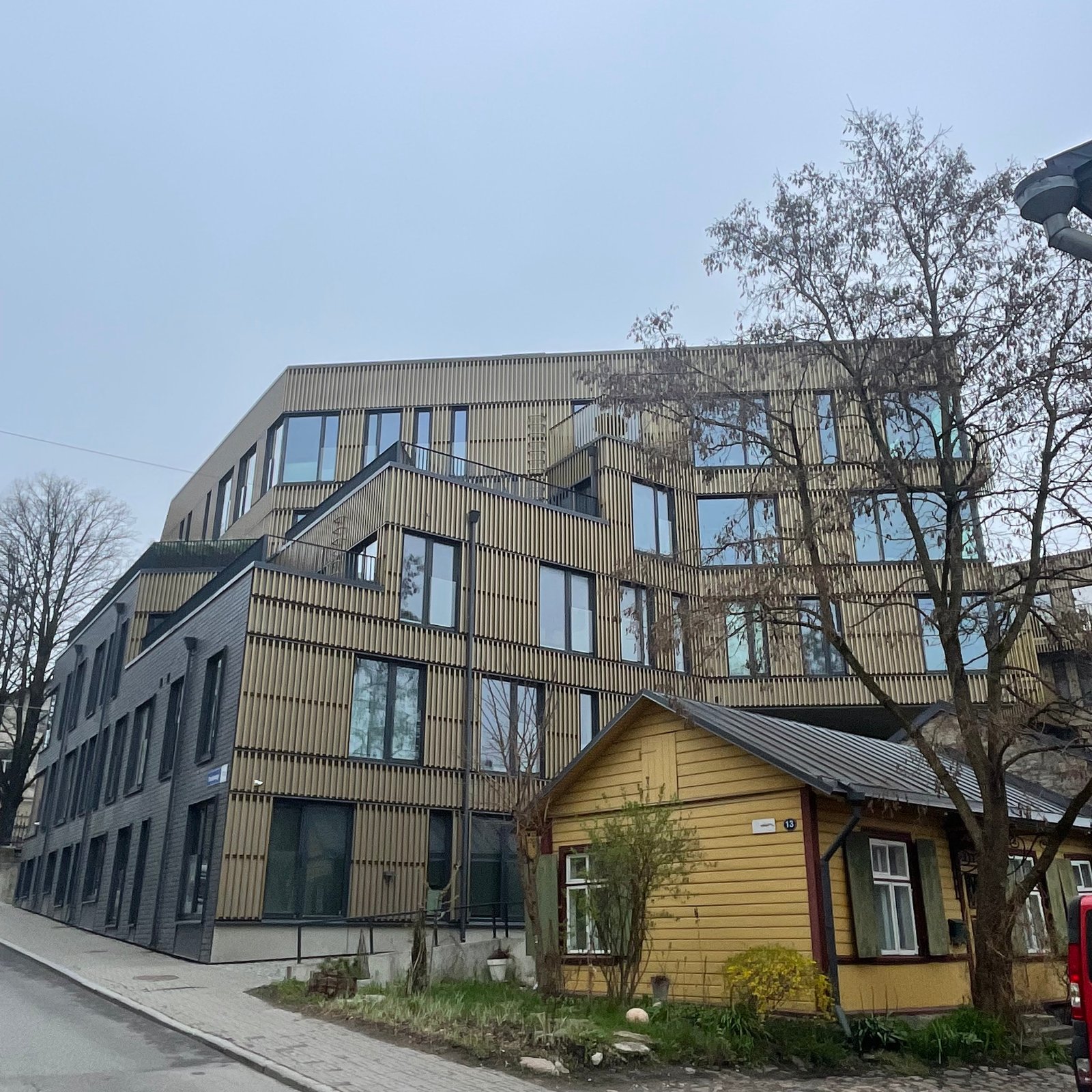
Clutch (of cars, not chickens). The word can also mean coupler, the device used for attaching railway wagons together, particularly tempting since the street is within the Tallinn-Väike railway street set, but no... After much soul- (and spare-part) searching, having seriously considered Aku (battery), Remondi (repair), Piduri (brake), Rehvi (tire) and Velje (wheel-rim), it was named for the immediate vicinity’s history of garages. Such are the great enterprises of this world rewarded...
Sihveri J.
(Jaan Sihver, 1879-1918)
Soldier, communist, and member of the Estonian Provincial Assembly, Eestimaa Kubermangu Ajutine Maanõukogu. Soviet occupation renaming (1959-1991) of Vana-Lõuna.
Siia (Siig)
Whitefish, laveret. Two sorts, salt and freshwater: merisiig, common or European whitefish, Coregonus lavaretus, and Peipsi siig, Peipsi whitefish, C. l. maraenoides. Part of a fish group. See also Silgu, with which it is often confused.
Siili (Siil) 
Hedgehog. The hedgehog has enjoyed modest success in Estonian martial-arts consultancy for their rather obvious observation that slicing rather than thwacking movements are more effective with flat weapons (cf. Kalevipoeg, Canto XII).