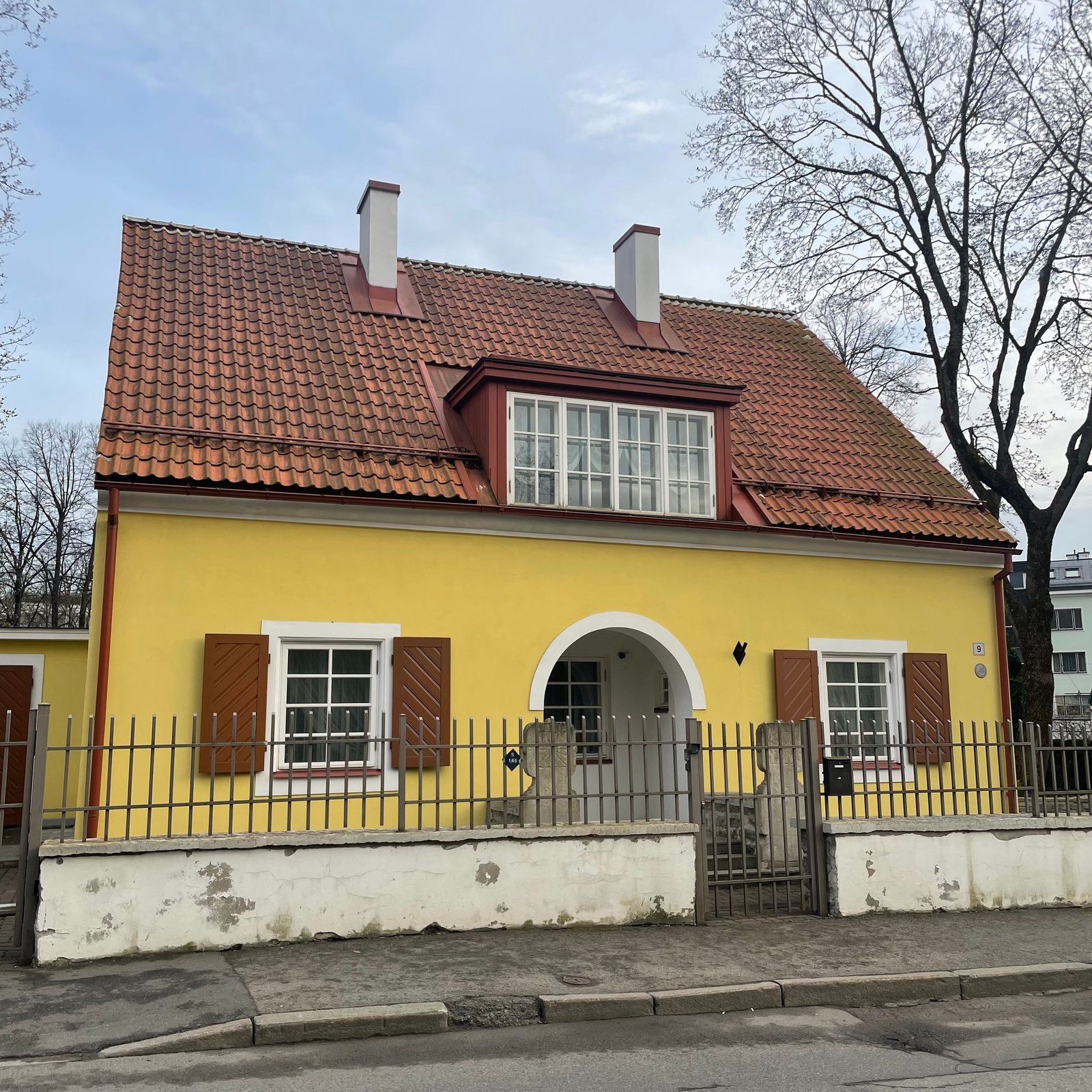


Loo (Loog)
Mowed hay, cut grass on a meadow. Tricky, because often used to mean windrow (non-US), itself often considered synonymous with swathe (US), but they are not the same. It could also mean tedded hay, or hay left loosely in the field to dry, periodically turned over. In farming, a swathe is (was) the strip cut by the scythe, while a windrow is the row of cut grass, etc., left on the field to dry out (usually 80% to 20% moisture) in the wind, hence the name. The meaning of the word in Estonian seems to have shifted over time, and the fuzziness around the word is reflected in its neighbors: loog has pretty-much identical cognates in Finnish, Veps, Votic and so on, where Russian, лyг (lug) means ‘meadow’, bearing in mind that a meadow was generally a plot of land intended to be cut for hay. Likewise, its counterpart vaal (swathe, see Vaalu) is валок (valok) in Russian. Their ancestry certainly shares common ground. While EES gives loog as coming from proto-Germanic *slōǥa‑z, *slōǥijōn‑, it may be related to Russian лyг (lug, meadow) from Old Slavonic *lǫgъ, but then again maybe not. For information, genitive loo has 2 other nominatives: lood, synonymous with Alvari, and lugu, story.