
Kuldjala torn (0) 
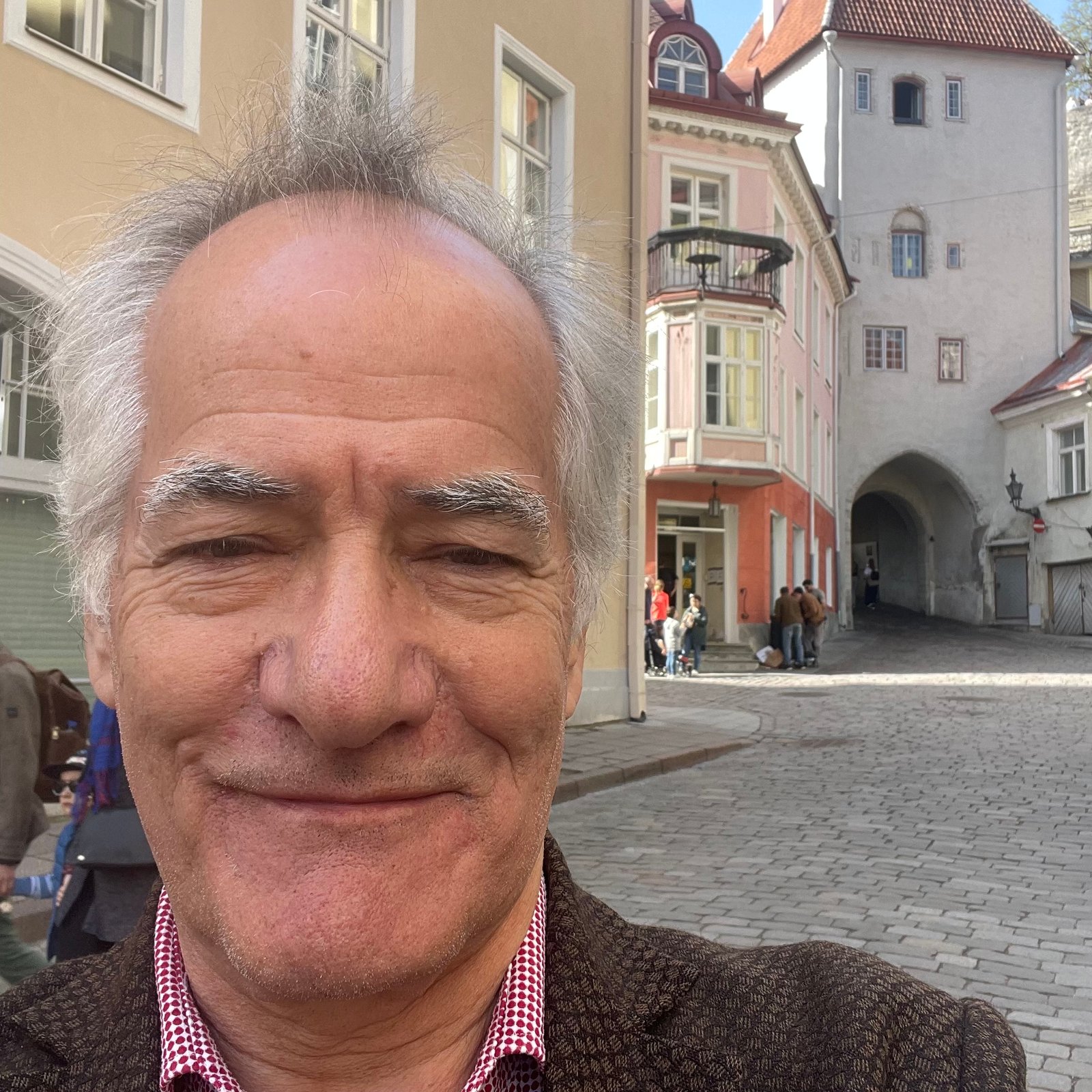
Golden leg/foot tower, built it seems in two phases: Kuldjala I, an initial masonry and wooden superstructure in ±1311-1320, and Kuldjala II, adding height and masonry in 1370-72, at which point it may have been called Kalle Torn, after Evert Kalle, the mayor who received the city funding for its reconstruction. Known at another time as de Guldene Voet (Estonians do not have different words for feet and legs, or hands and arms, rather confusing at times, see Sõnajala) where a footnote in Tallinna Keskaegsed Kindlustused quotes a certain Johansen (1959, not listed in appendix) as saying “d.h. Kuldjalg, warum bleibt unbekannt” (in other words Kuldjalg, but why remains unknown). Sounds a bit like the name of a tavern or cobbler to me. Revamped in the 16/17th C as food and powder store and still used for the latter until 1725. See also Kuradi torn.