
Karjavärav (0)
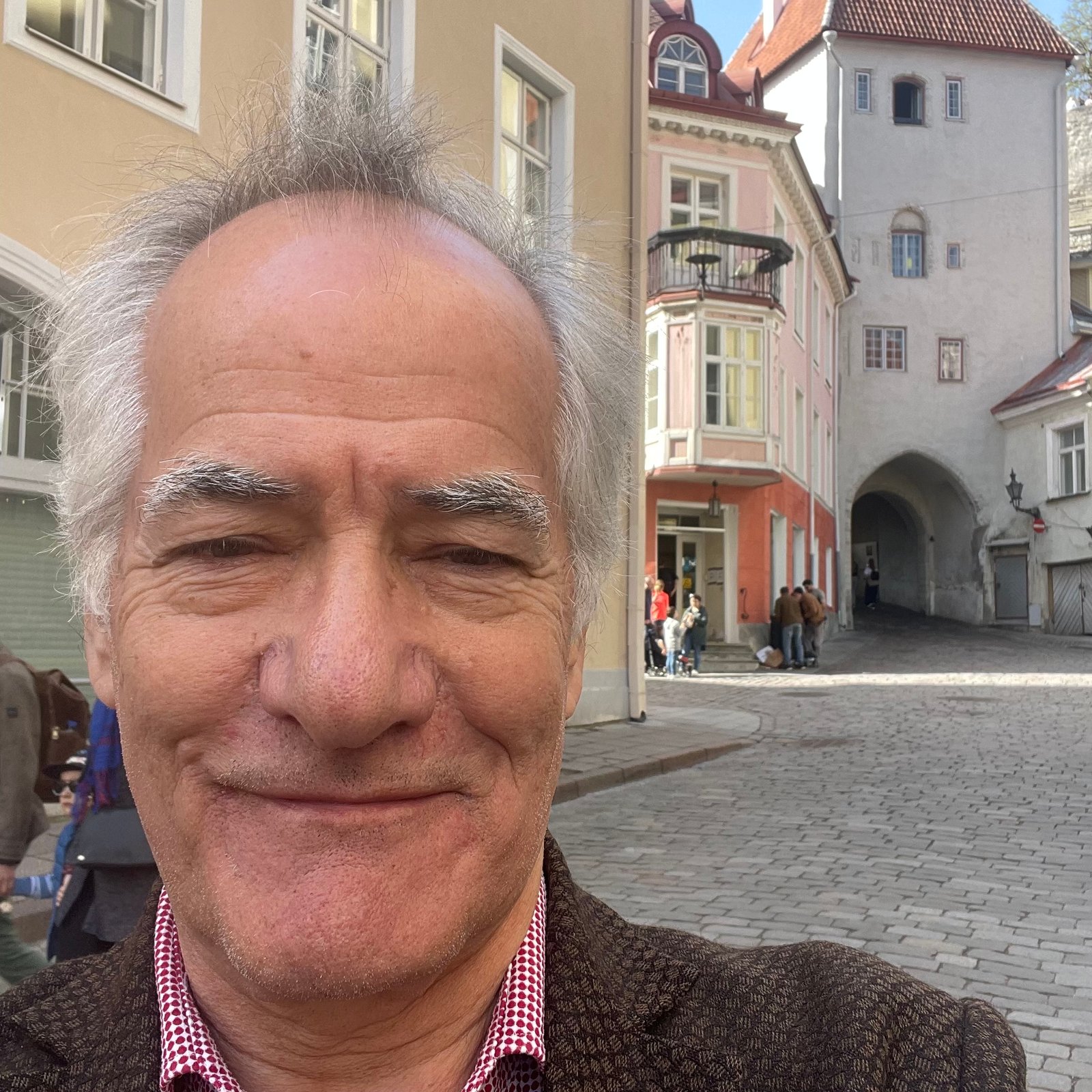
Cattle gate. Various permutations. The original cattle gate was some 50-100 m further south of today's square, Karjavärava plats, and recorded in various languages, first (1365) as porta pecorum (Lat.) or veporte (MLG vē and its multiple spellings – veh, vehe, vey, vie, vei – and meanings: cattle, four-legged animal, live possession or plain old property), meandering through Lat. porta Karien (1368) and karieporta (1375) then Ger. karienporte, karyenporte and karieporte in 1375, 1379 and 1382 respectively, reaching karja wärraw (1732) and Karripforte (1890), with wärraw/pforte ‘gate’ in the sense of passage into a city, like London’s Bishopsgate, and not in the former Nordic sense of ‘way’, ‘street’ (cf. Swedish gata, Danish gade) as in Nottingham’s Fisher or Carter gate, etc. Gate has an odd, two-path etymology. The first from PIE *ǵʰéd-, hole or ‘to defecate’, via Greek, χέζω (shit) to Proto-Germanic *gatą to Old English ġeat (both meaning hole, opening and, in MLG, that or anus, linguistically related to the northern-Germanic Geats whose name seems to derive from a Proto-Germanic verb *geuta-, ‘to pour’, something which passages do allow) and thence to our more modern meanings of passage, and the second, from Proto-Germanic *gatwǭ (which looks clearly related to its cousin above, cf. Lith. gatve < Gothic 𐌲𐌰𐍄𐍅𐍉 (gatwō) through Old Norse gata which seems to be a logical offshoot of an earlier stage of the other meaning which almost by definition implies a path of some sort. Its last name before being shuffled off to history was Михайловскія ворота (Michael’s gate, 1885, etc.).